design-habitus
I believe the most prized workers will be those who can decode a sea of outputs, spot the meaningful signal and translate it into aciton that others understand and trust.
Join conversation →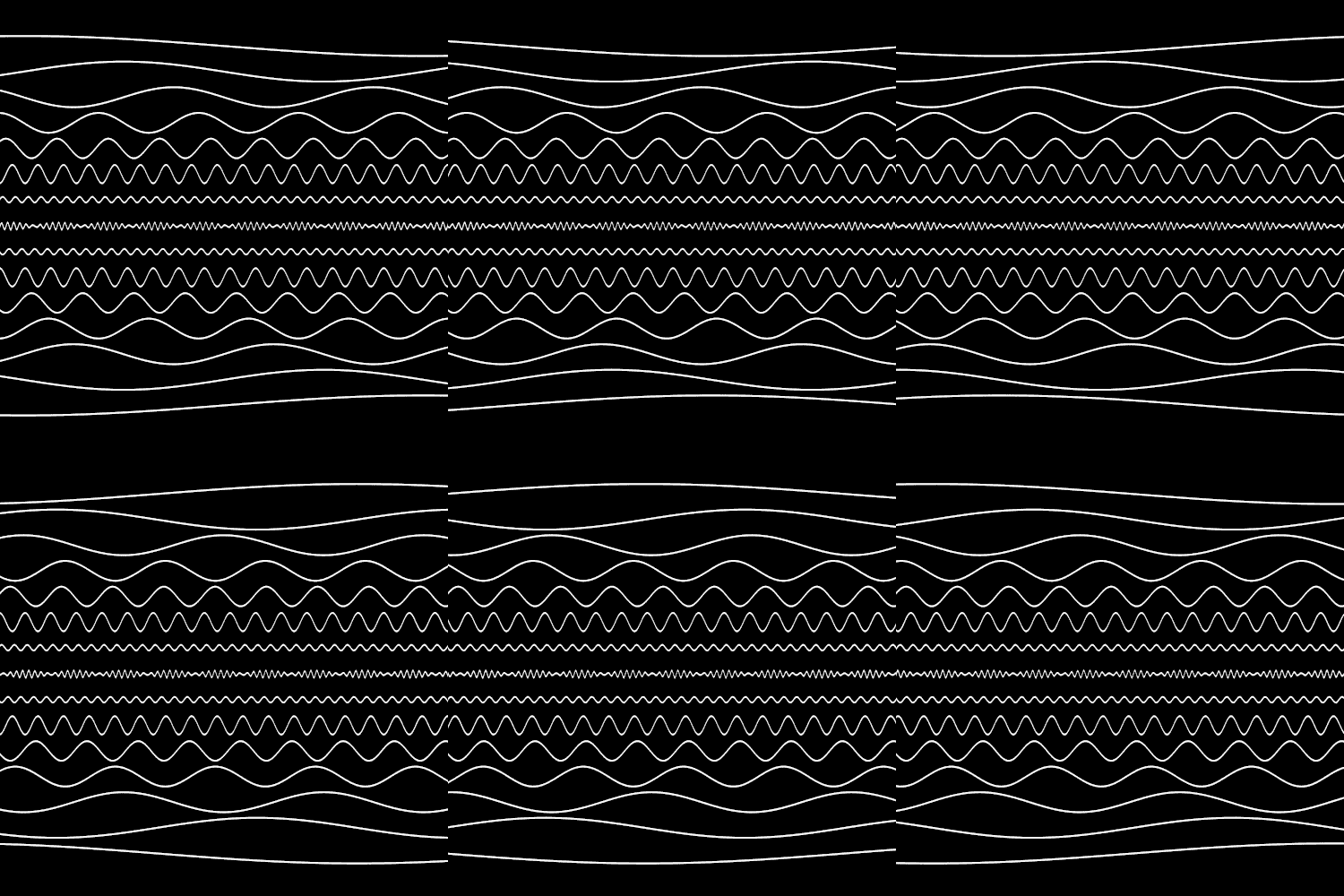
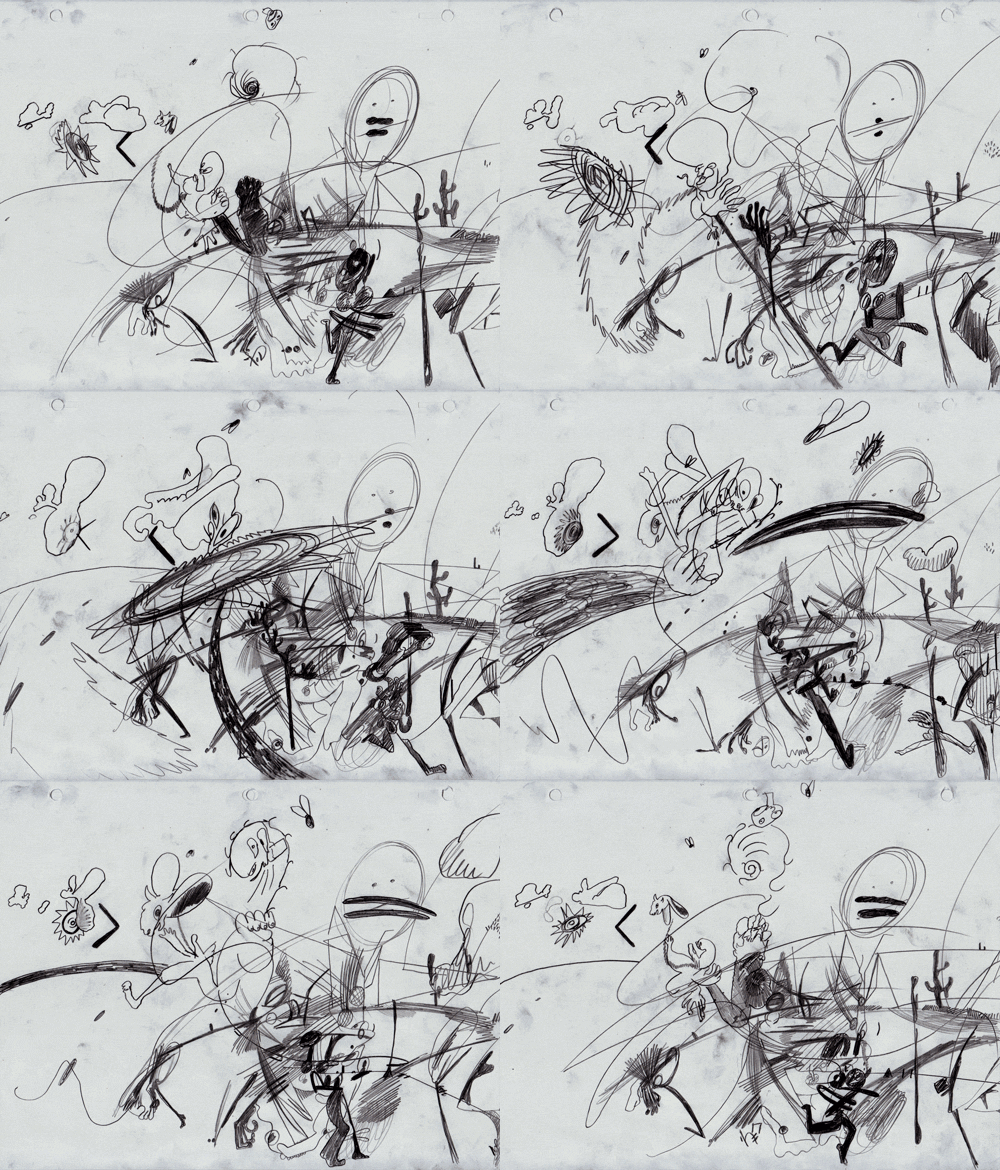
I created a visualization of sound waves based on a song I recently listened to. Has anyone else tried this?
I have a question, how do people distinguish between good and bad design?
I need help understanding how to better communicate with clients and manage expectations. Anyone have tips?
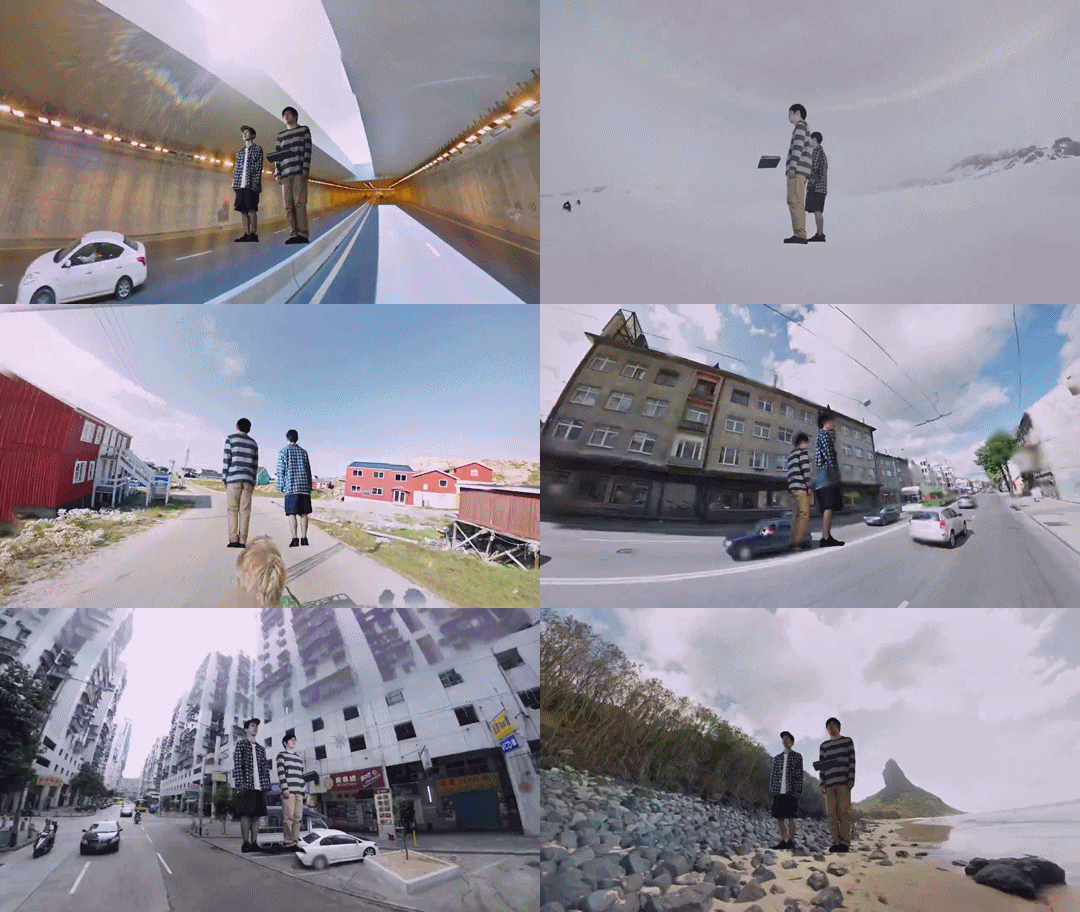
Last summer, I went on a month long trip with my friends and tried to capture the essence of each moment through sound.

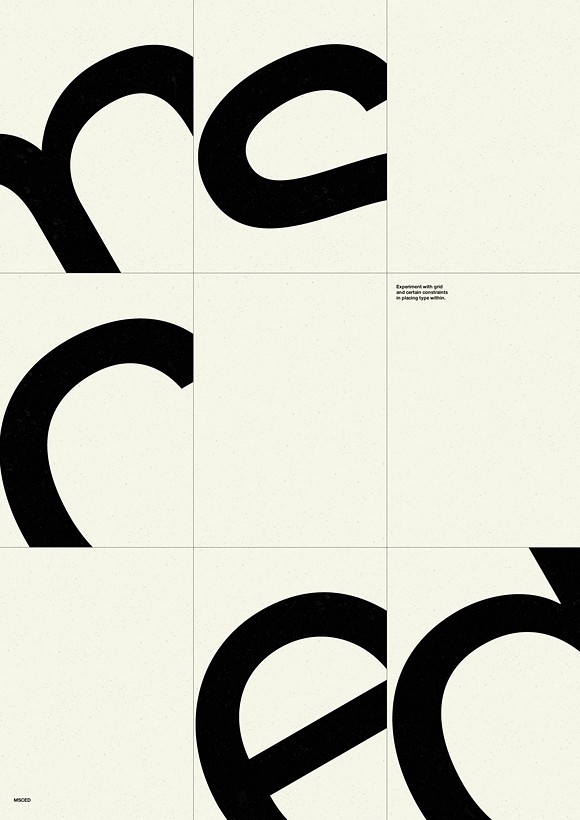
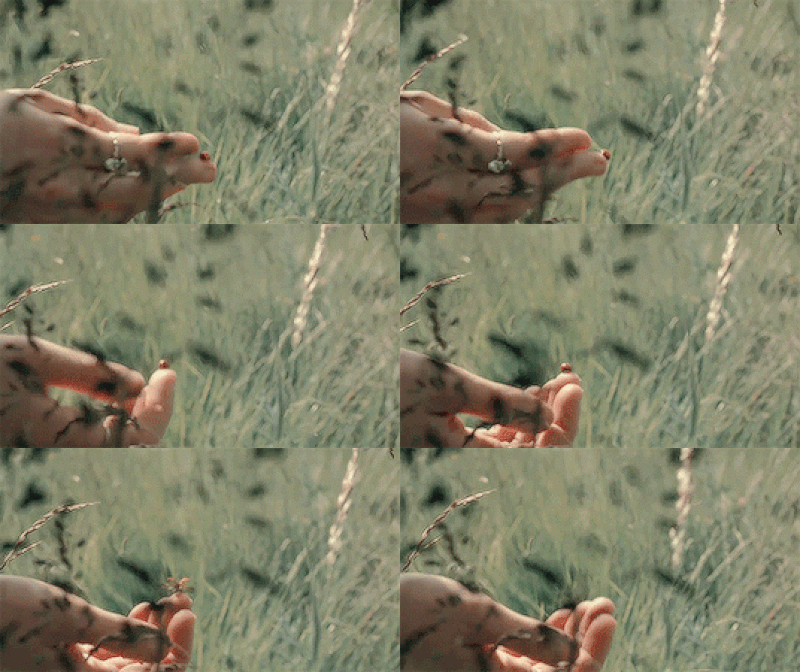

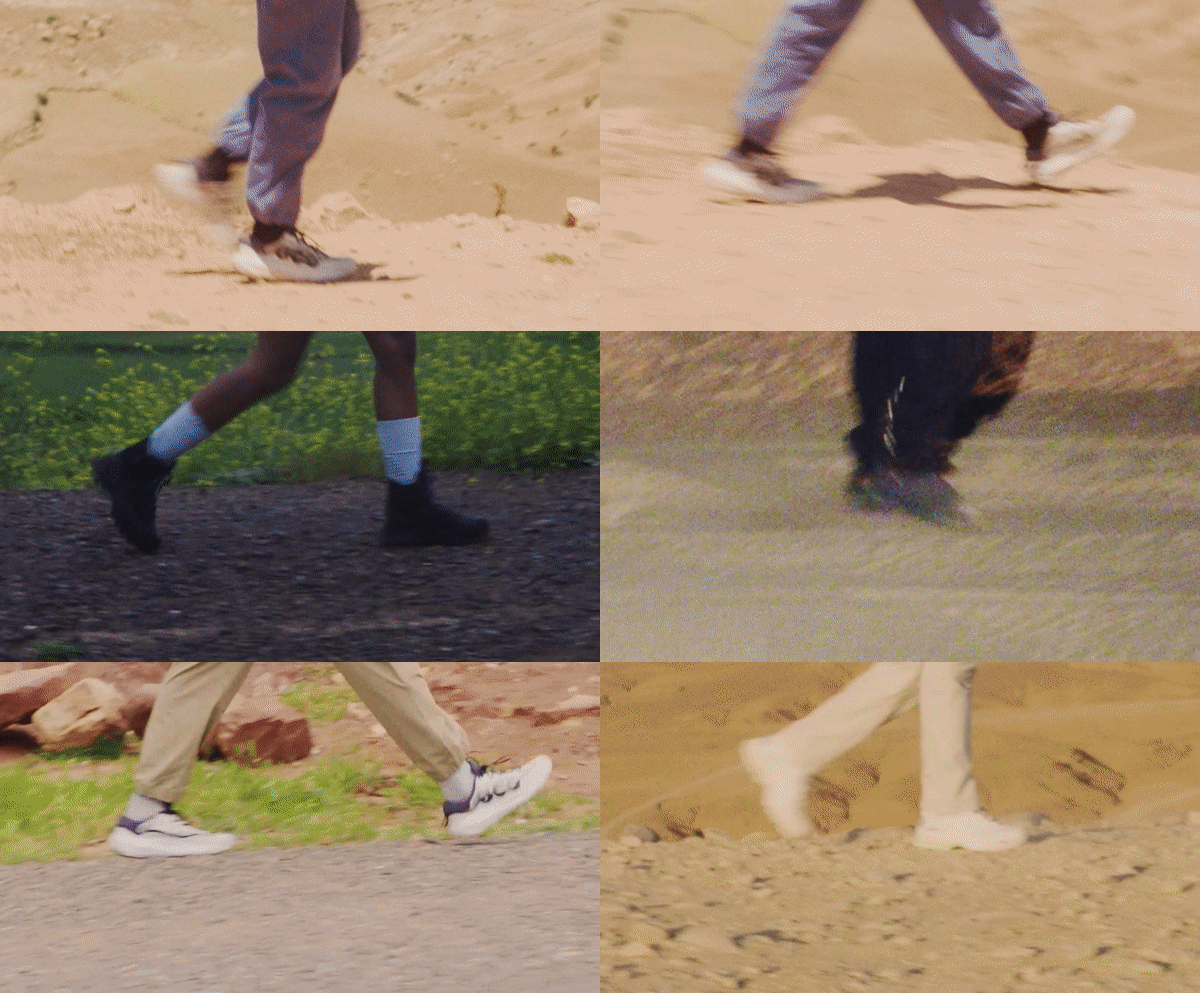
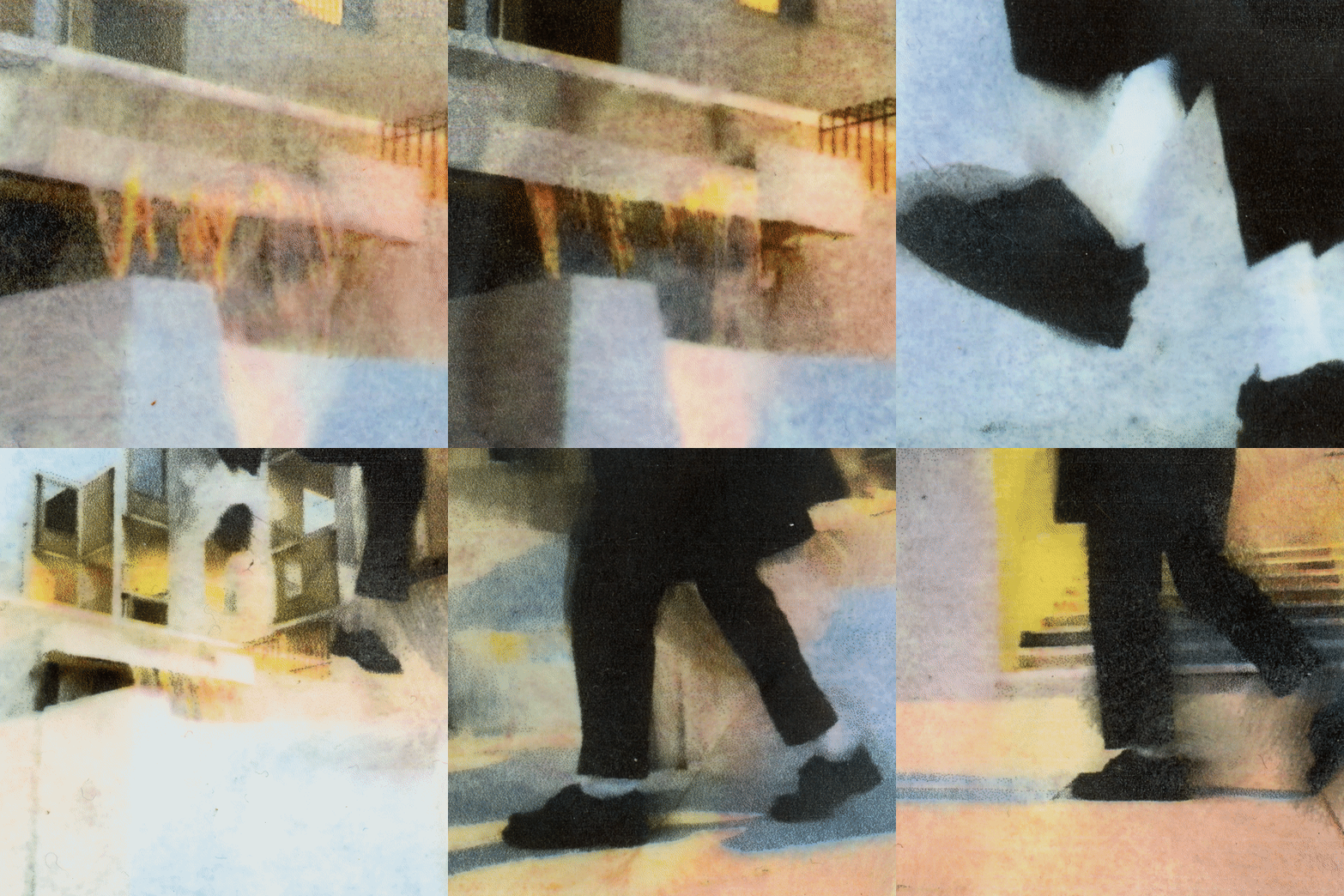
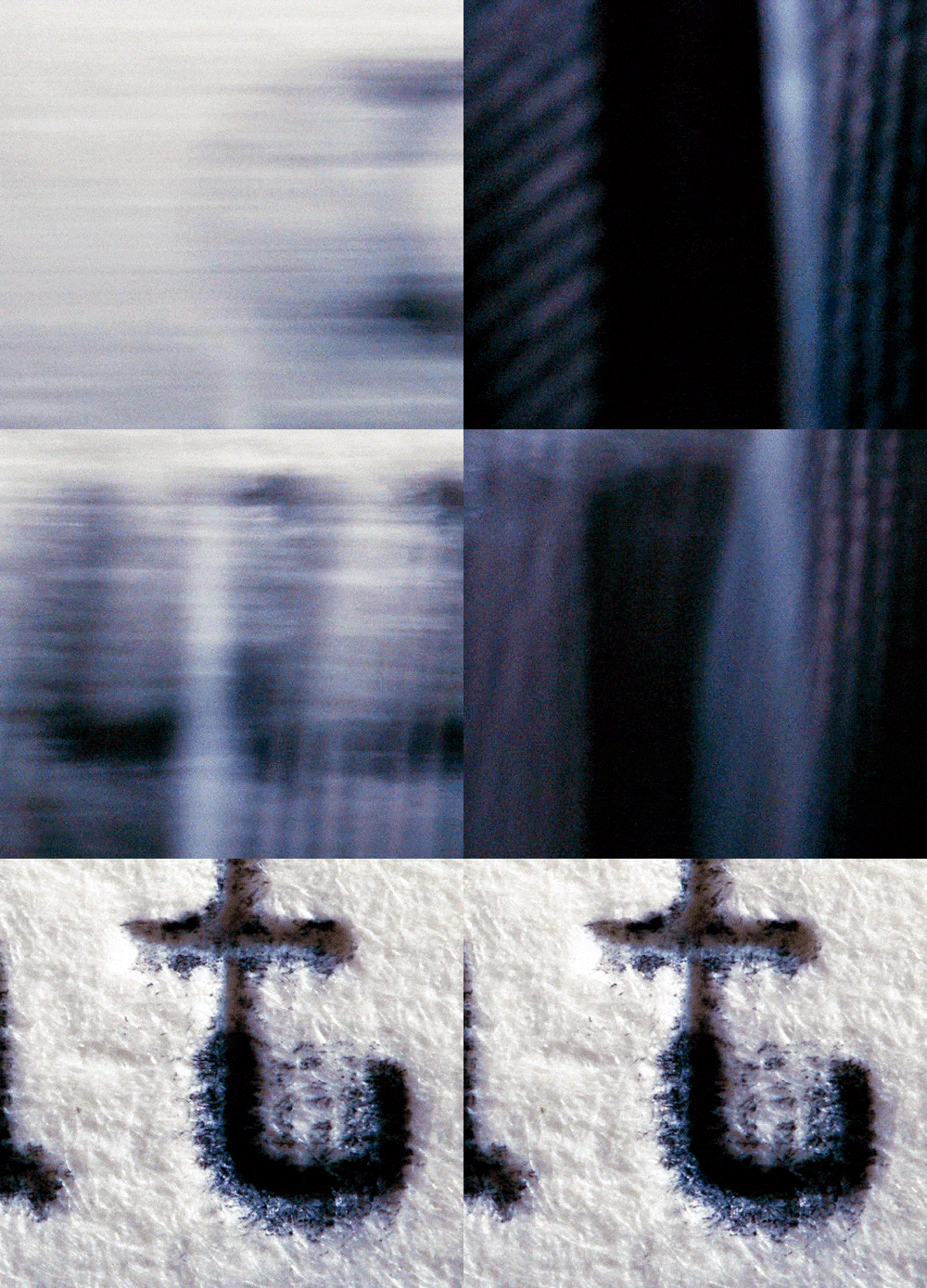

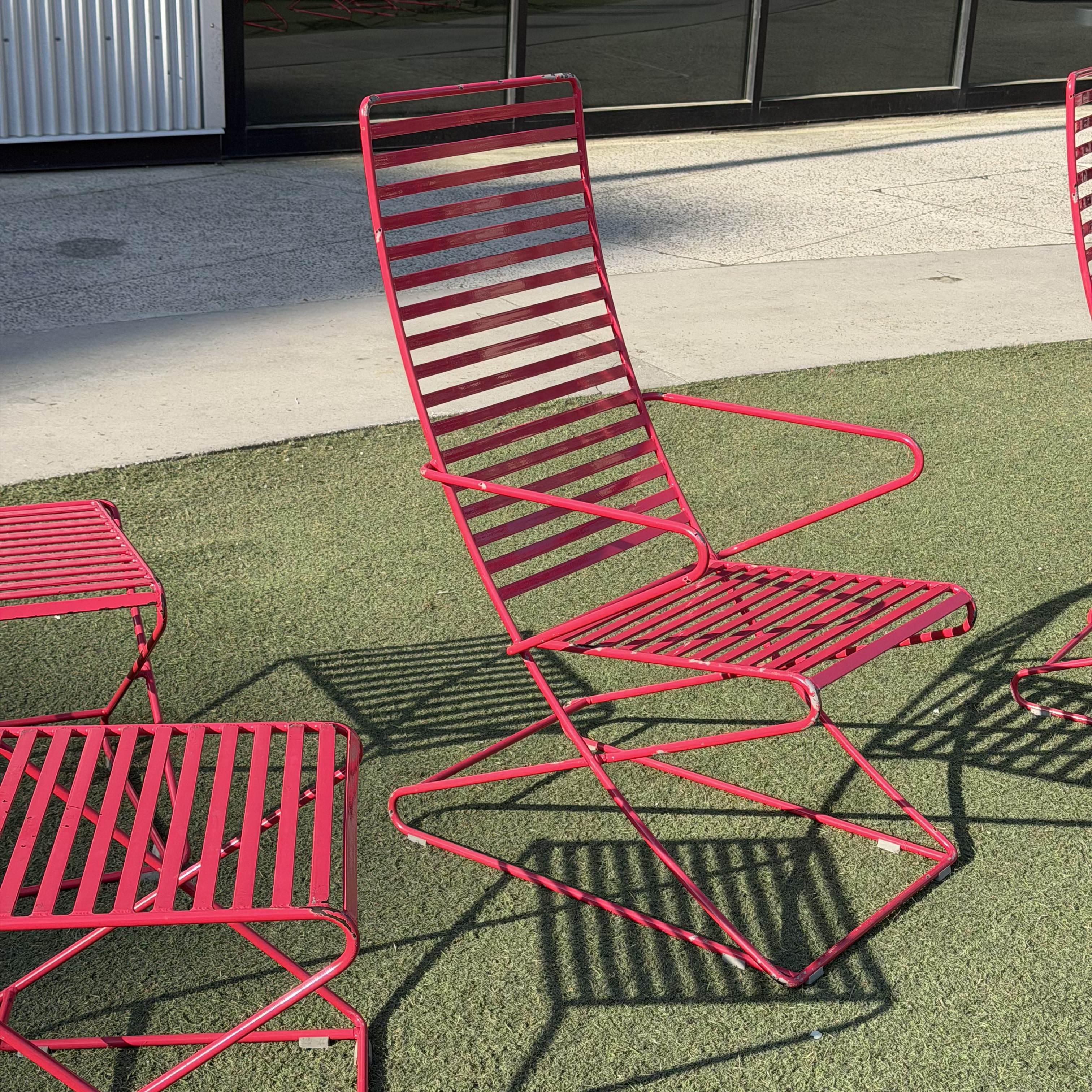
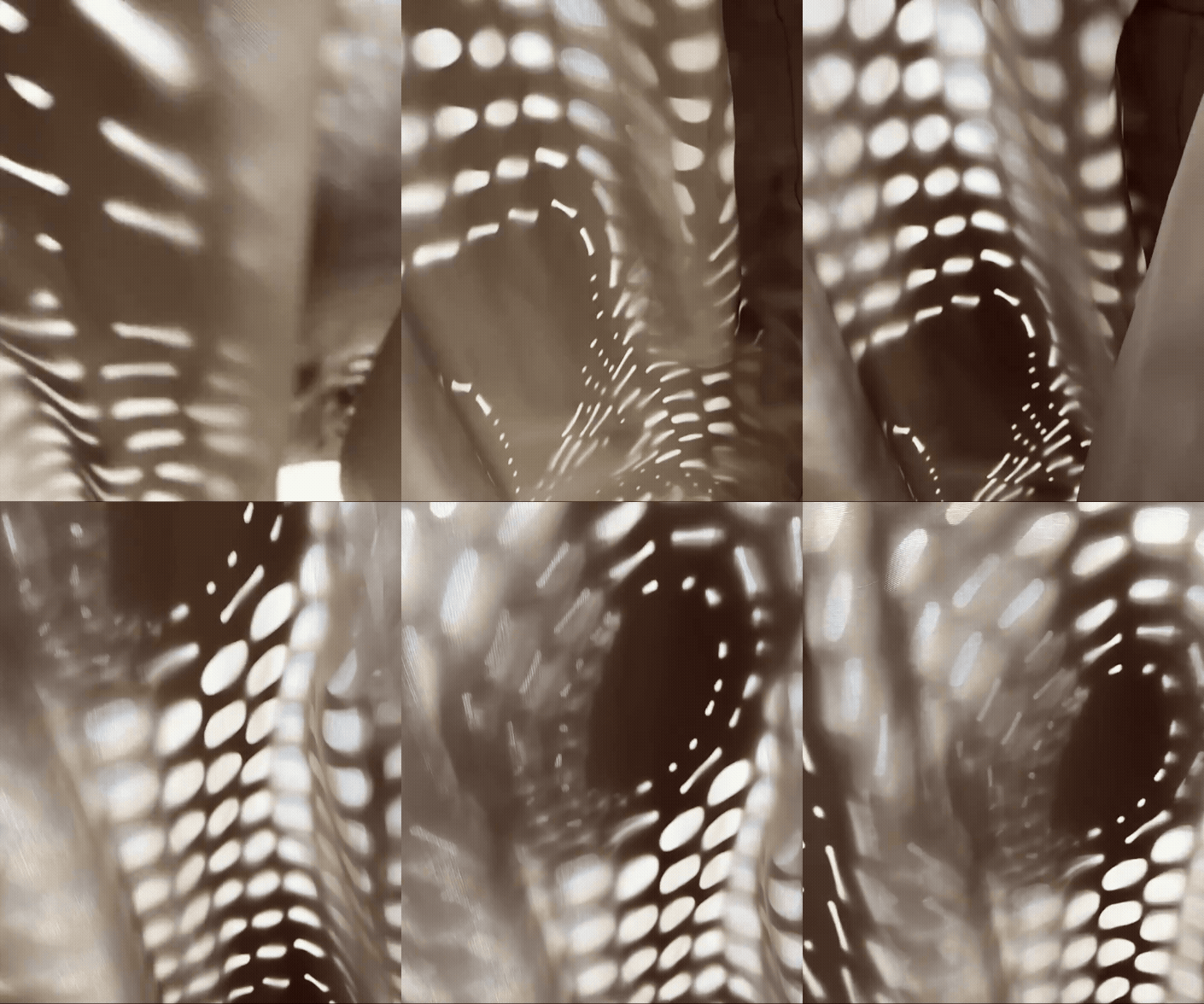
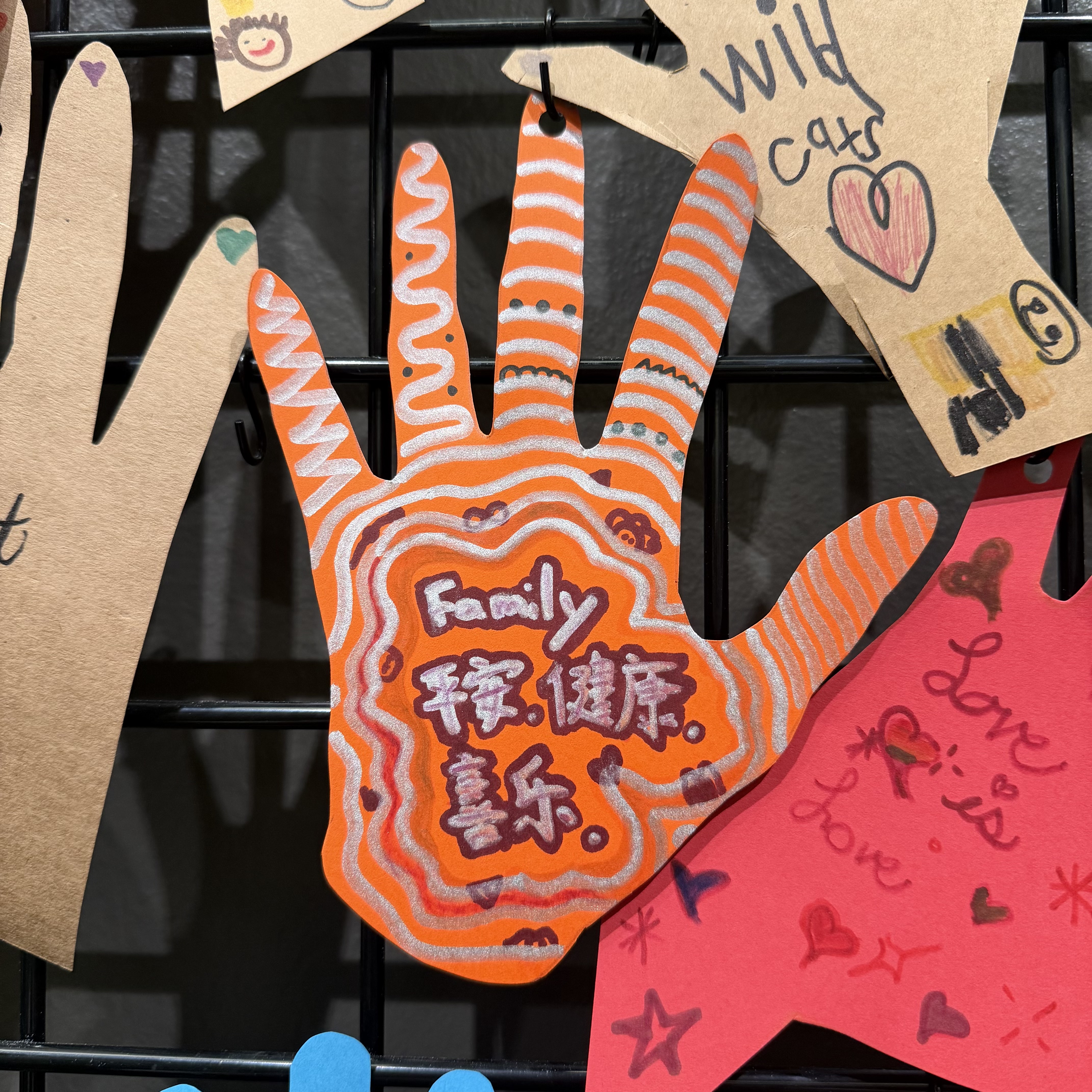
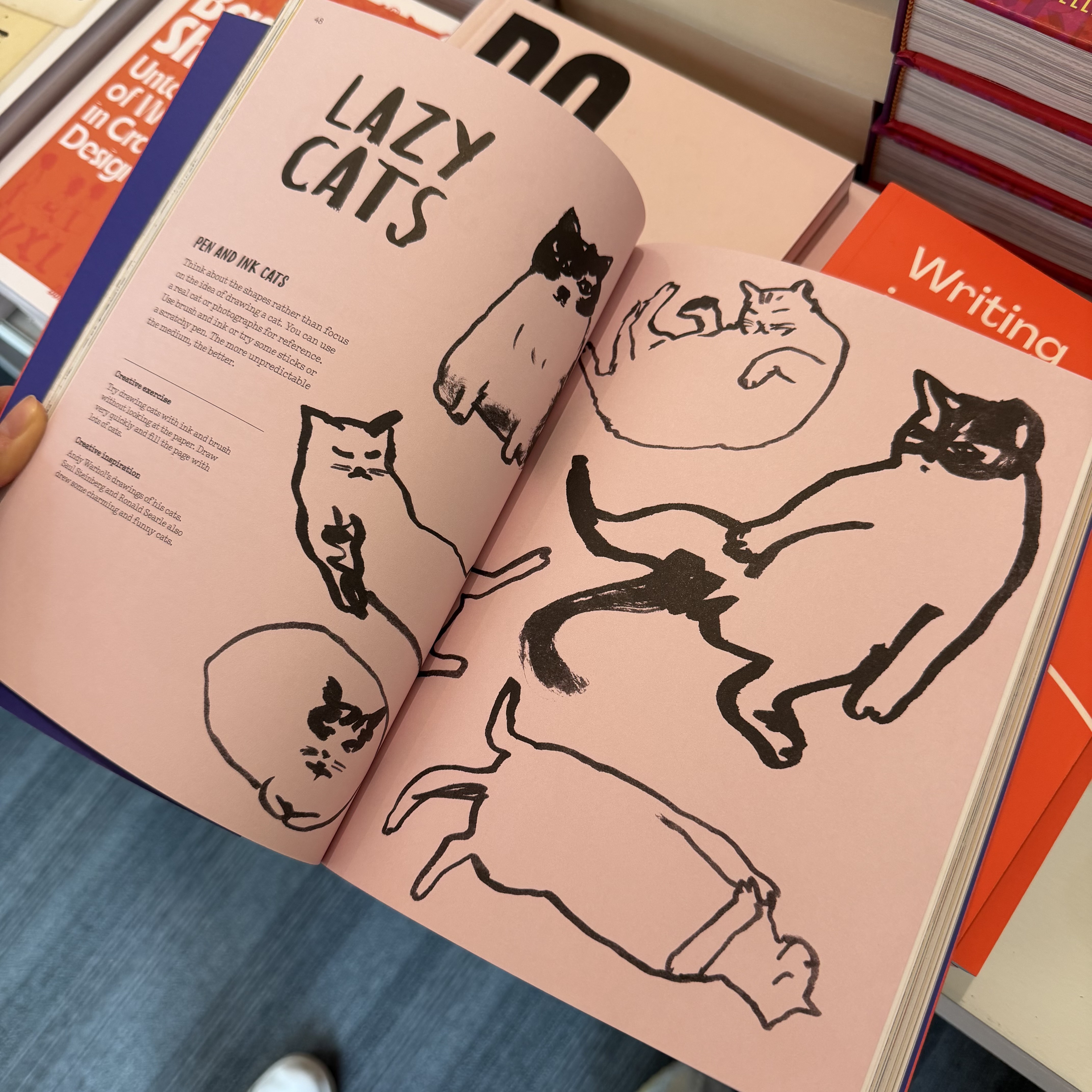
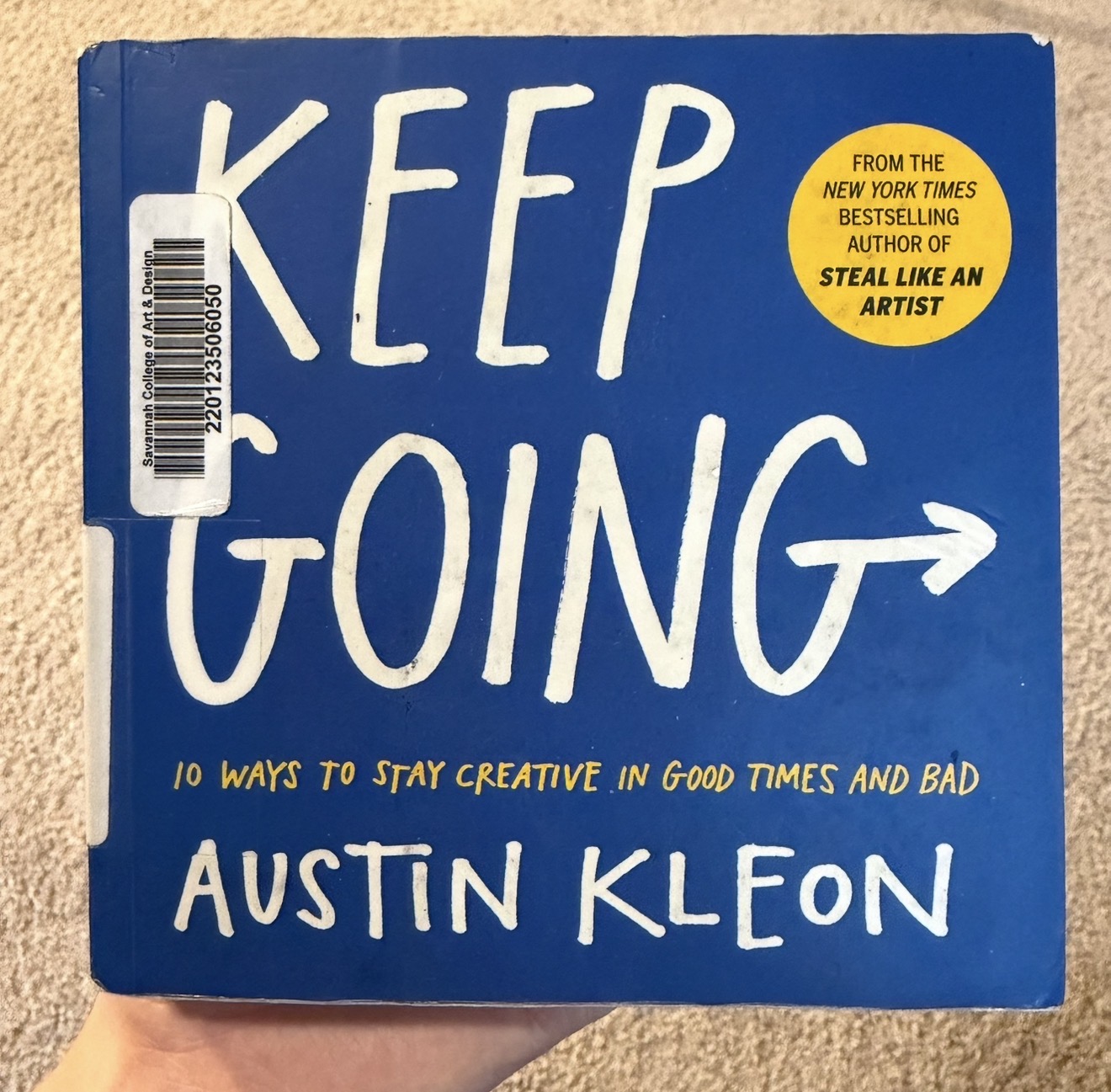

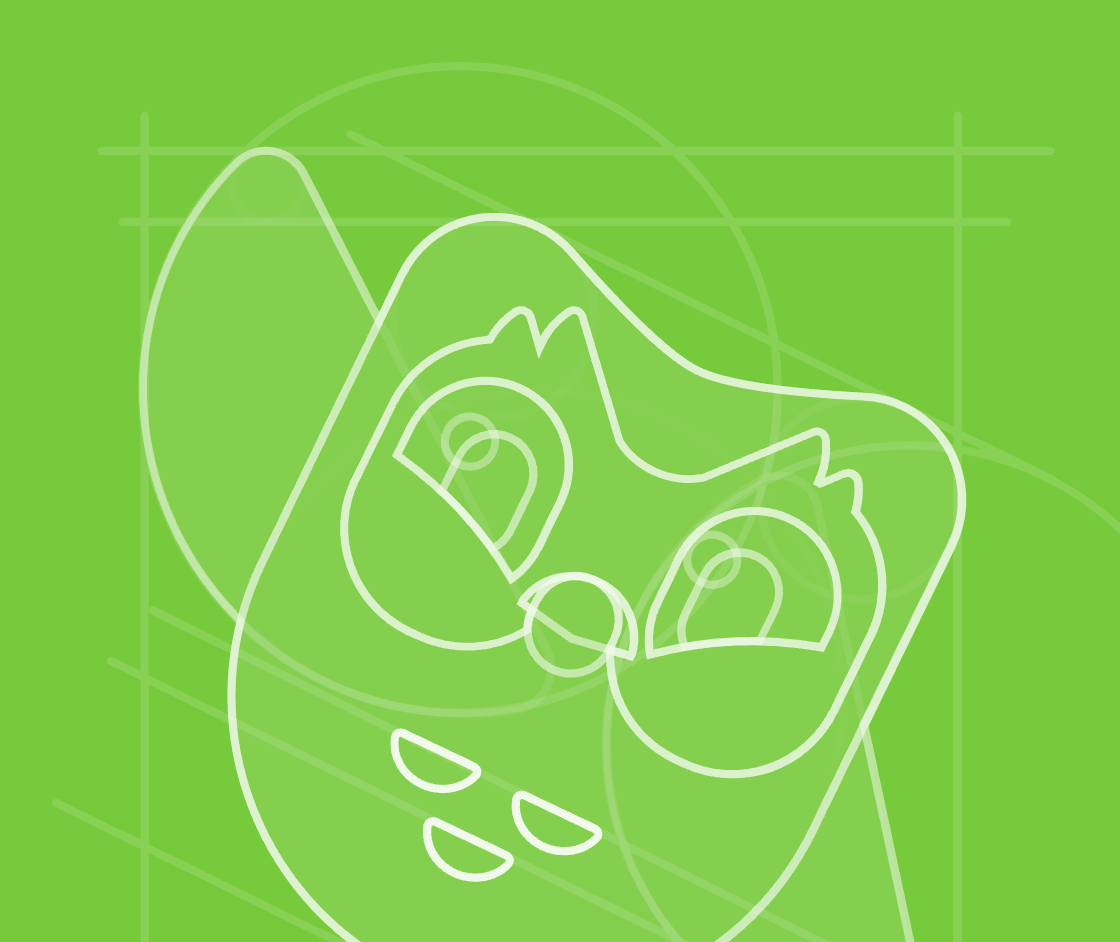
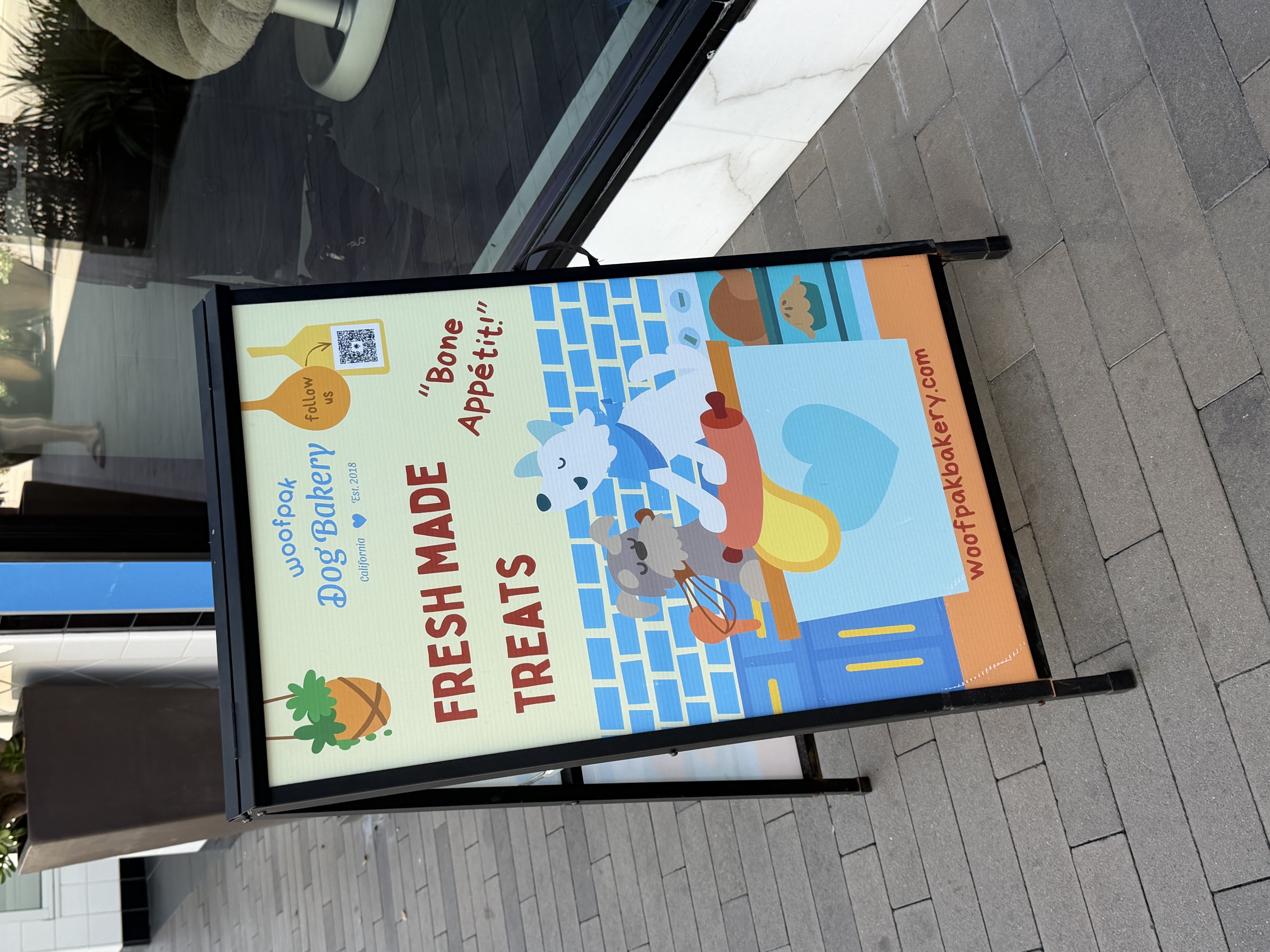
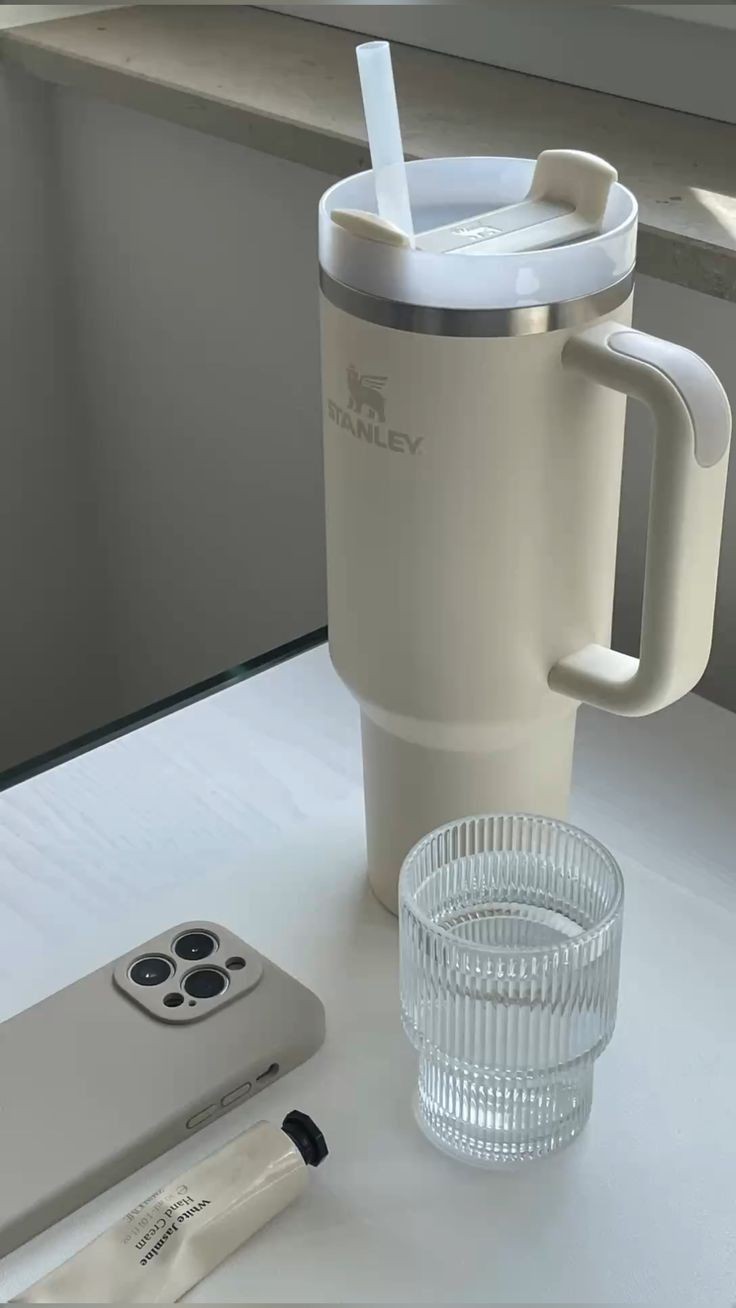
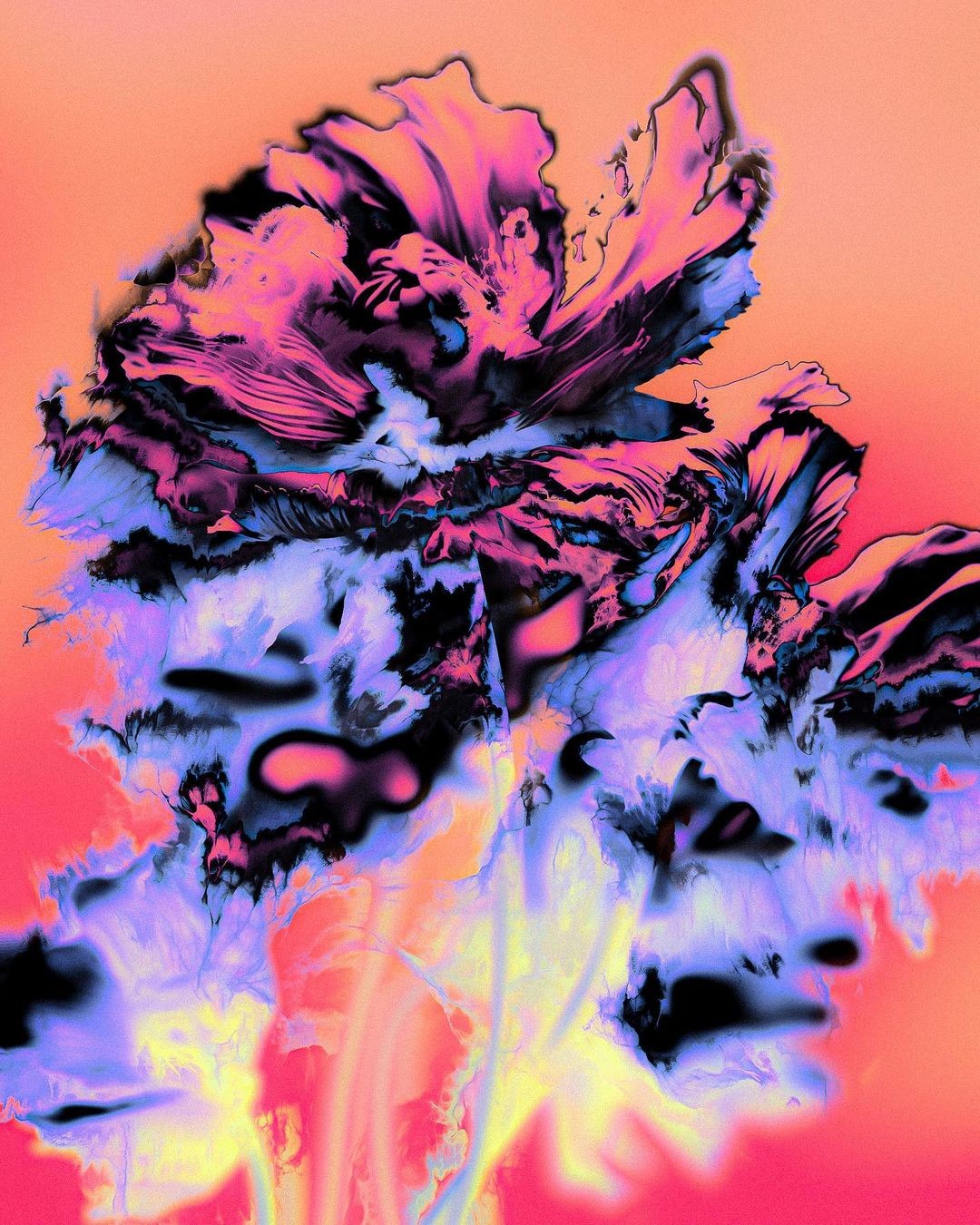
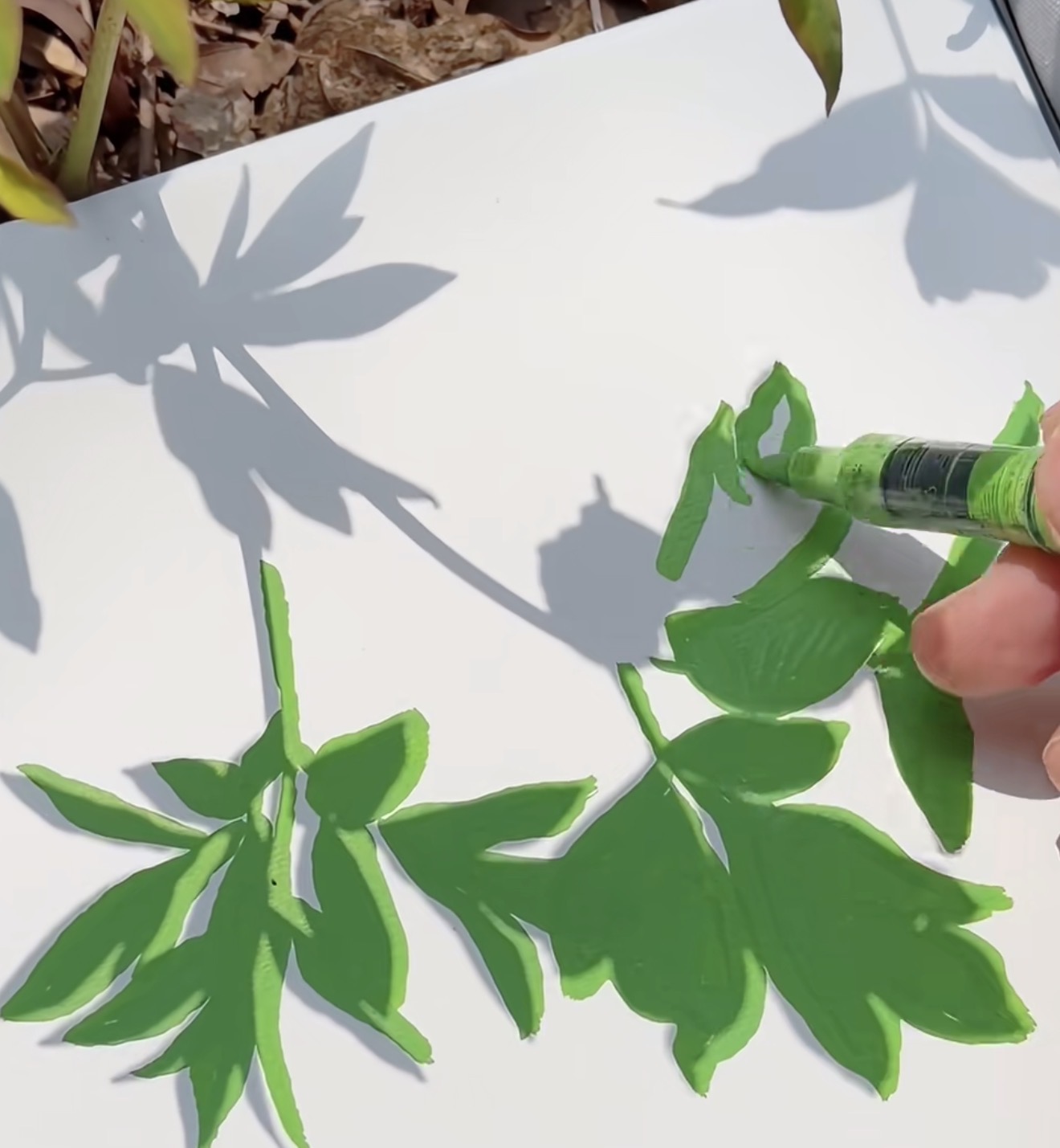
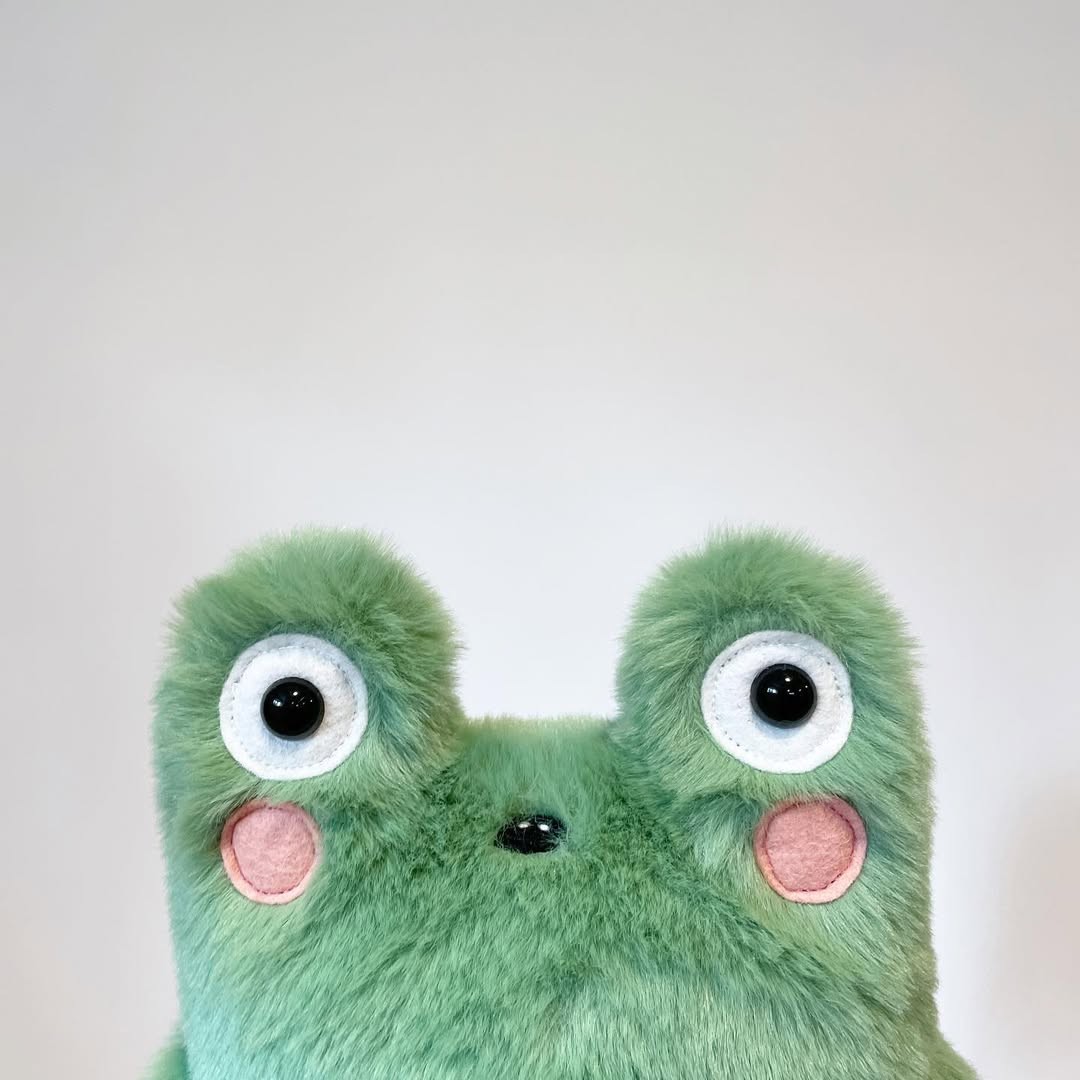
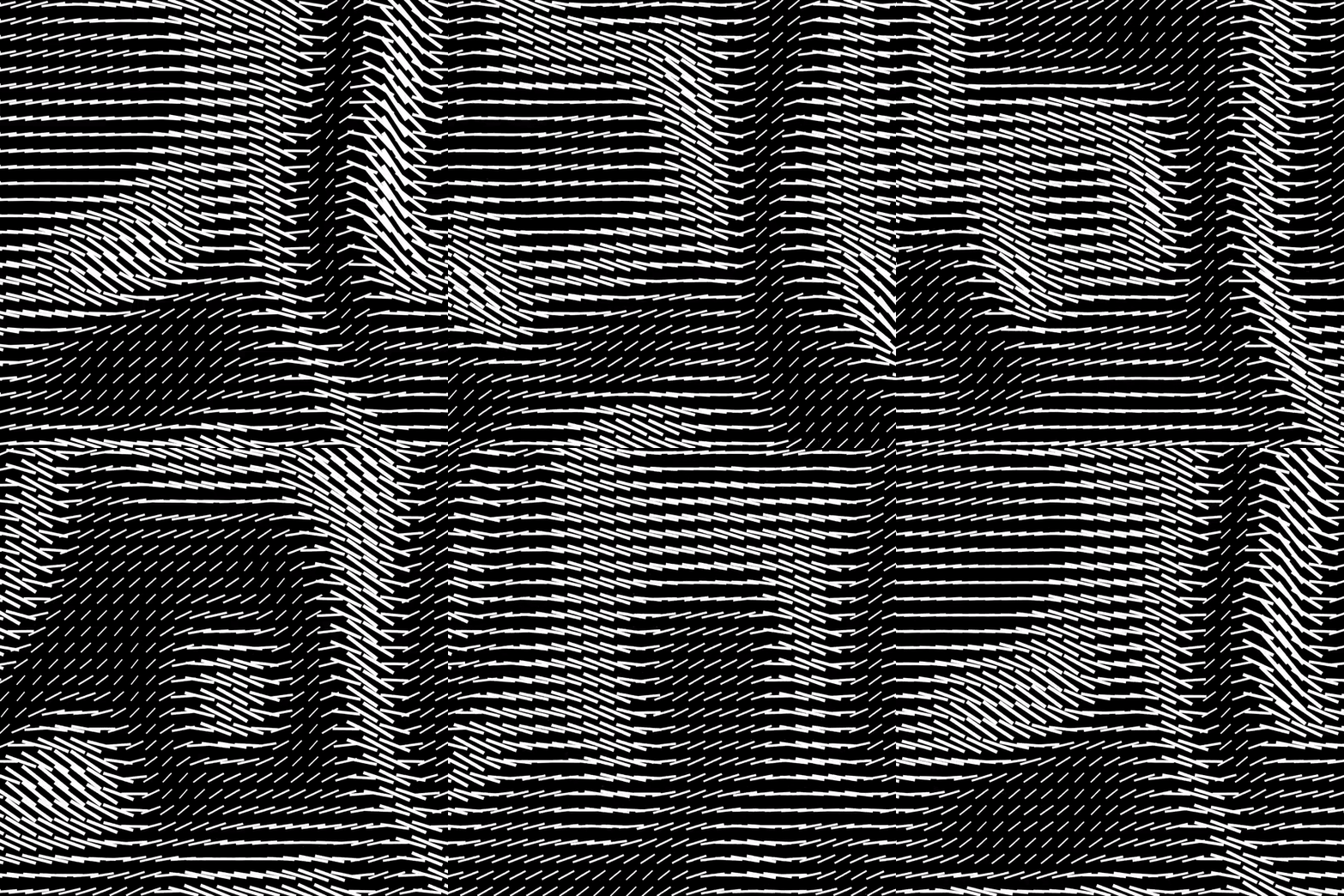
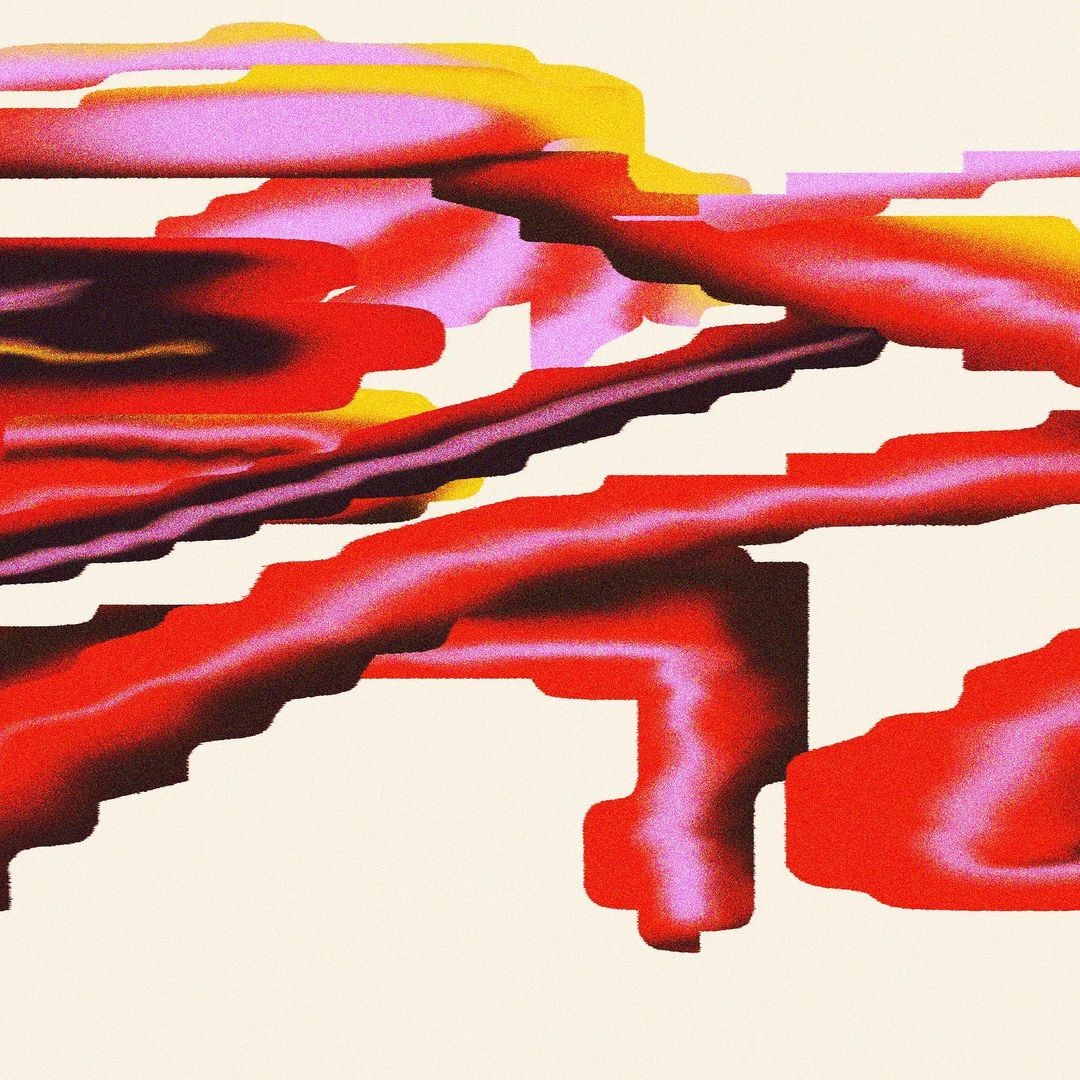
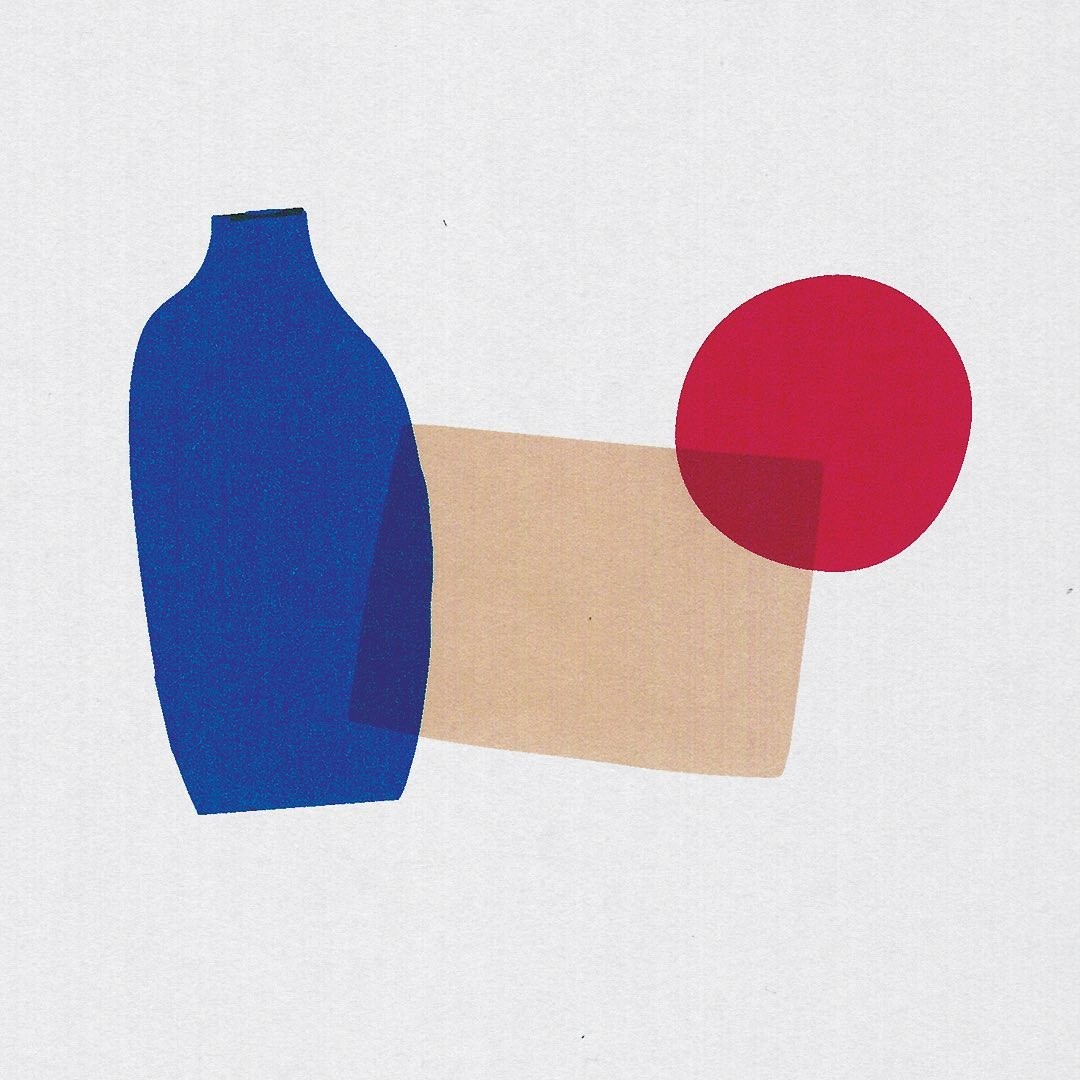
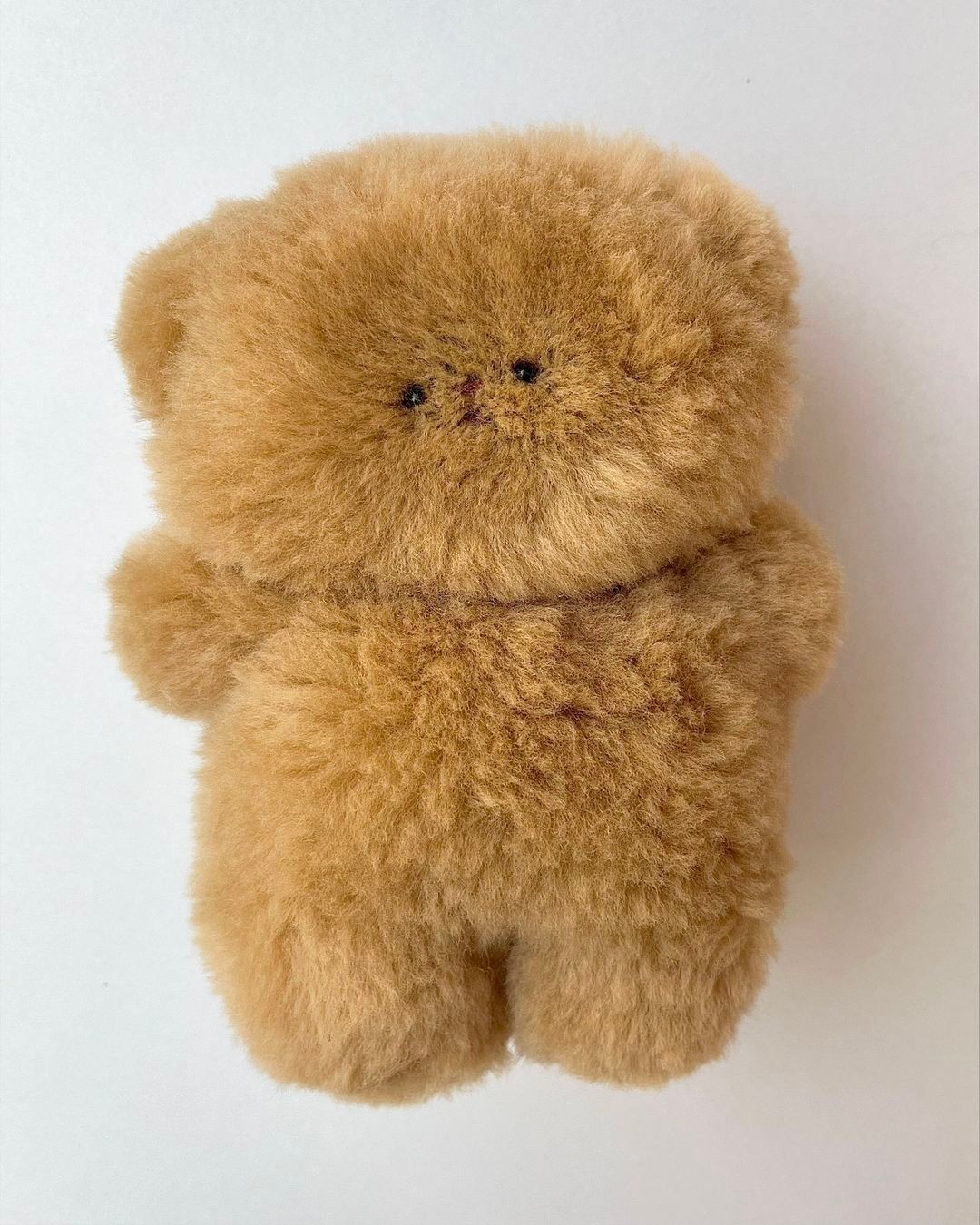
One design challenge each month, lasting 21 days. Participants submit work daily if they choose to join. Winners are selected and announced at the end of each month, with their work showcased on our website and Instagram.
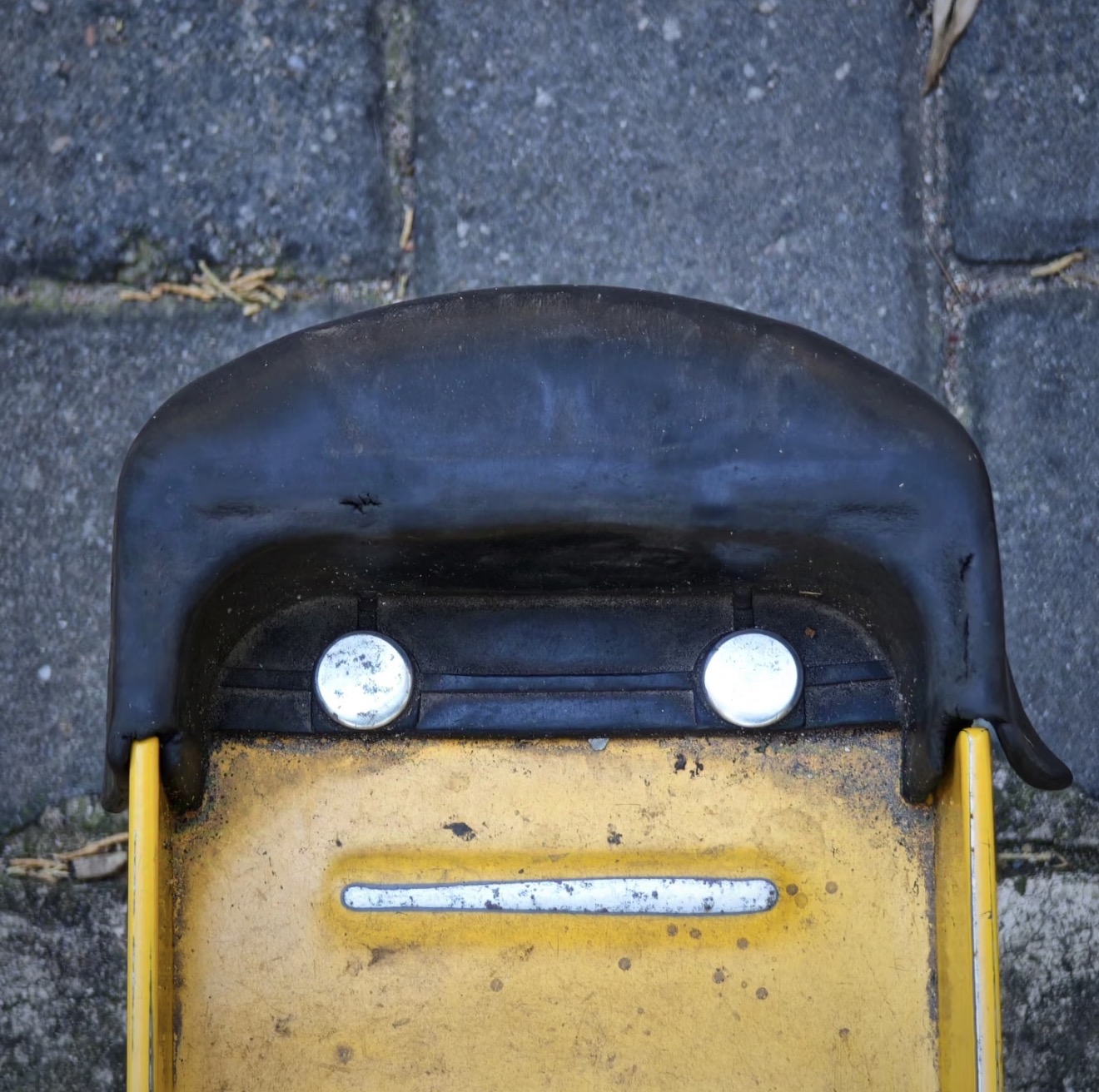
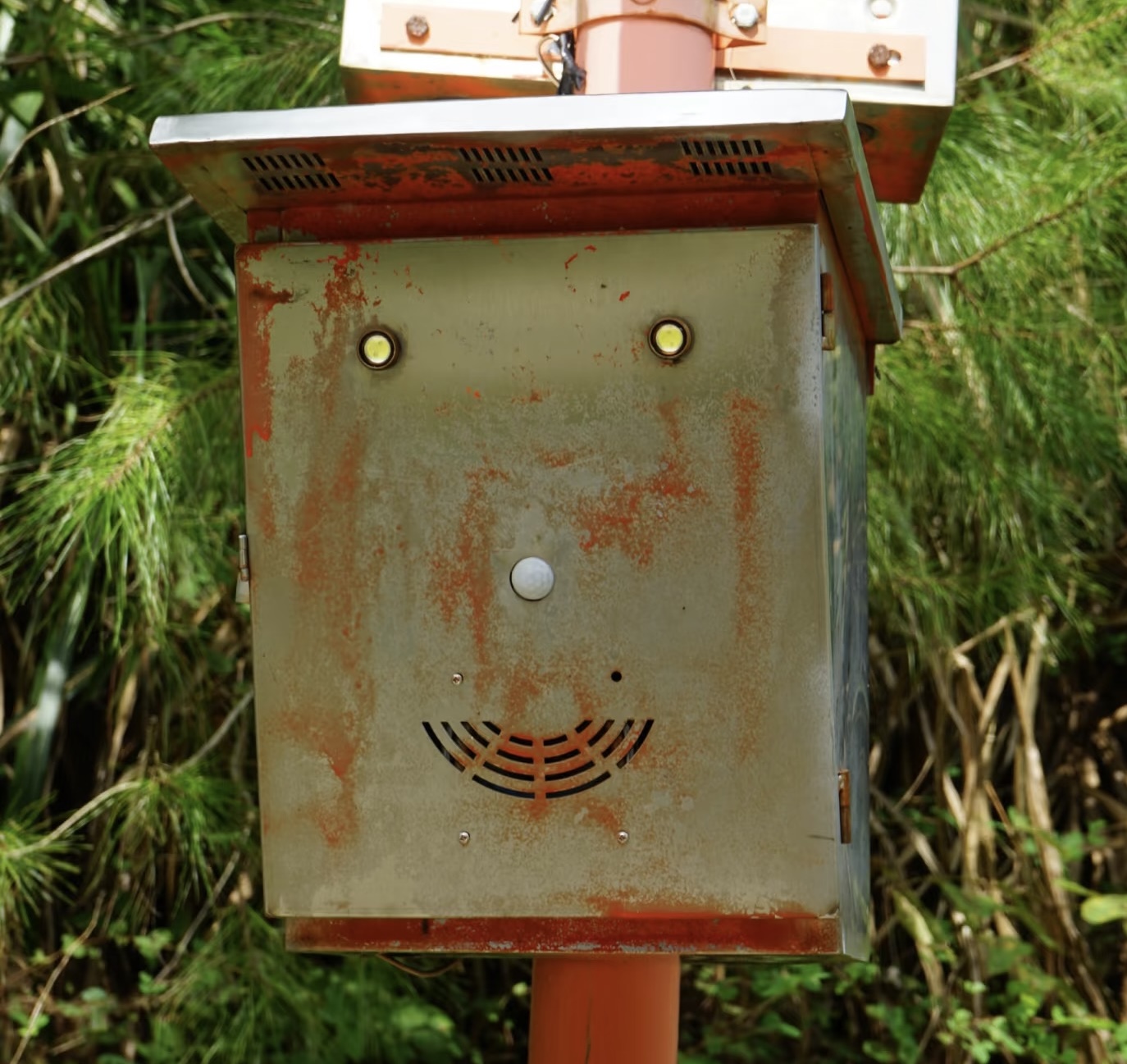
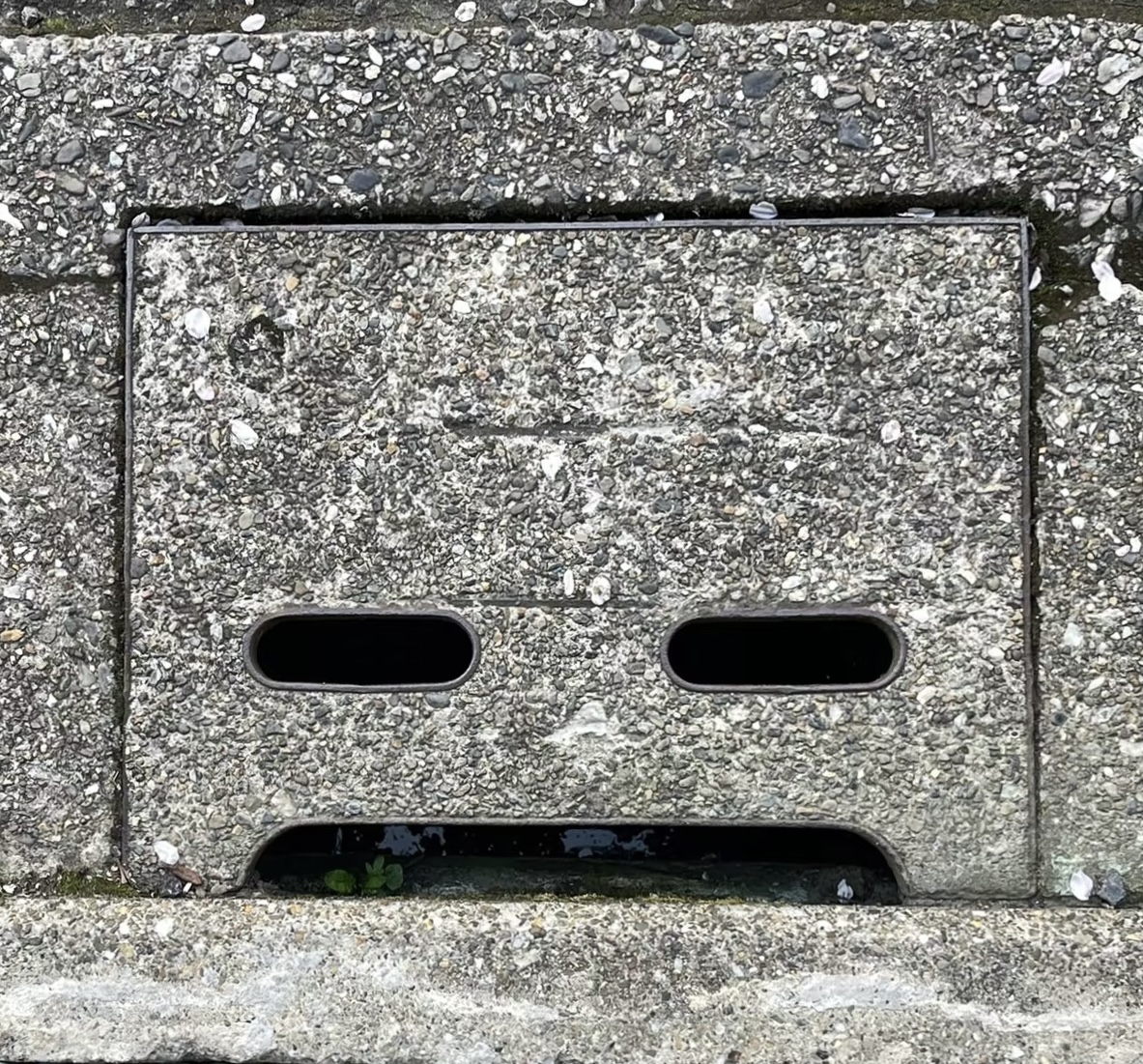
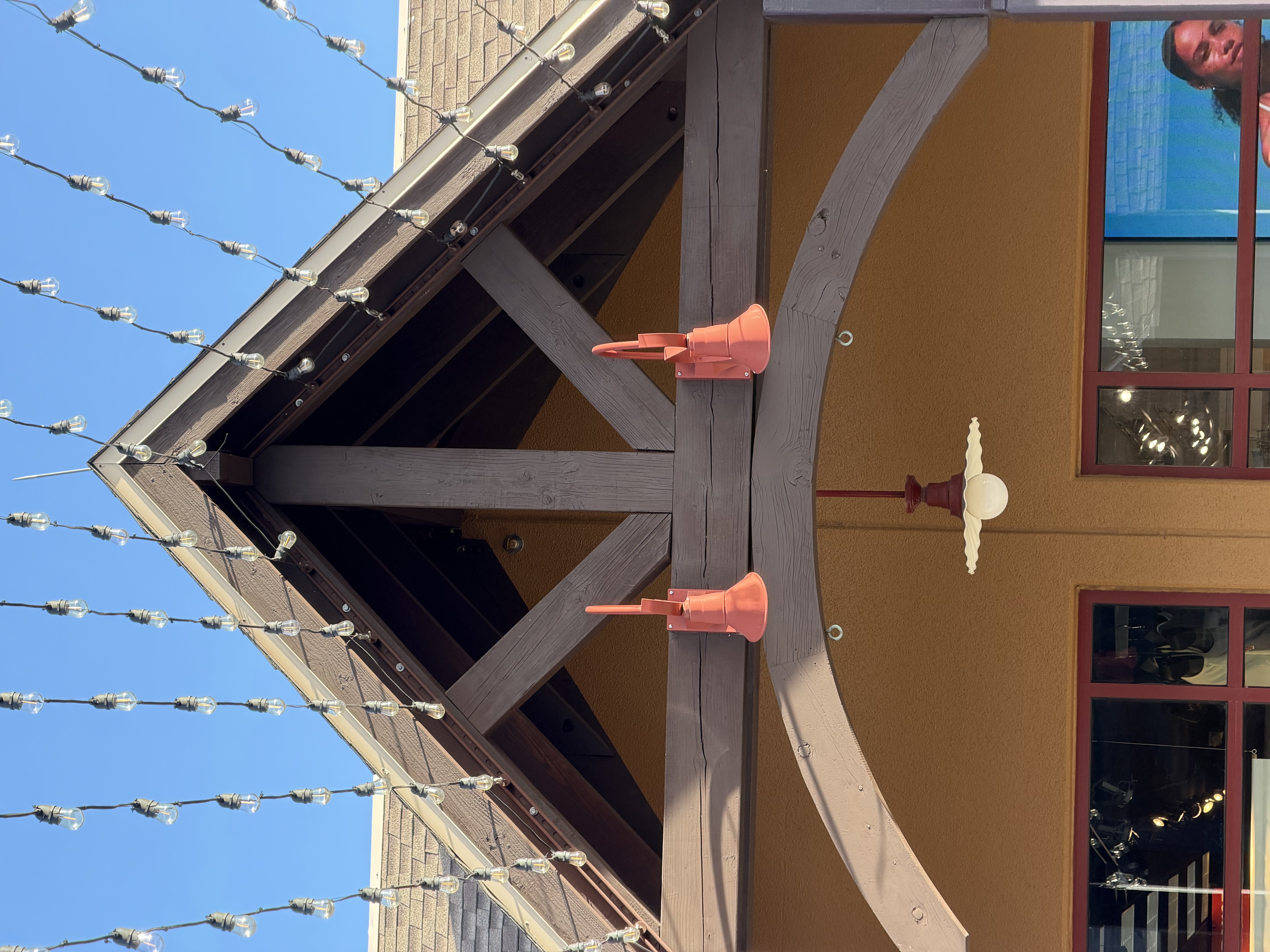
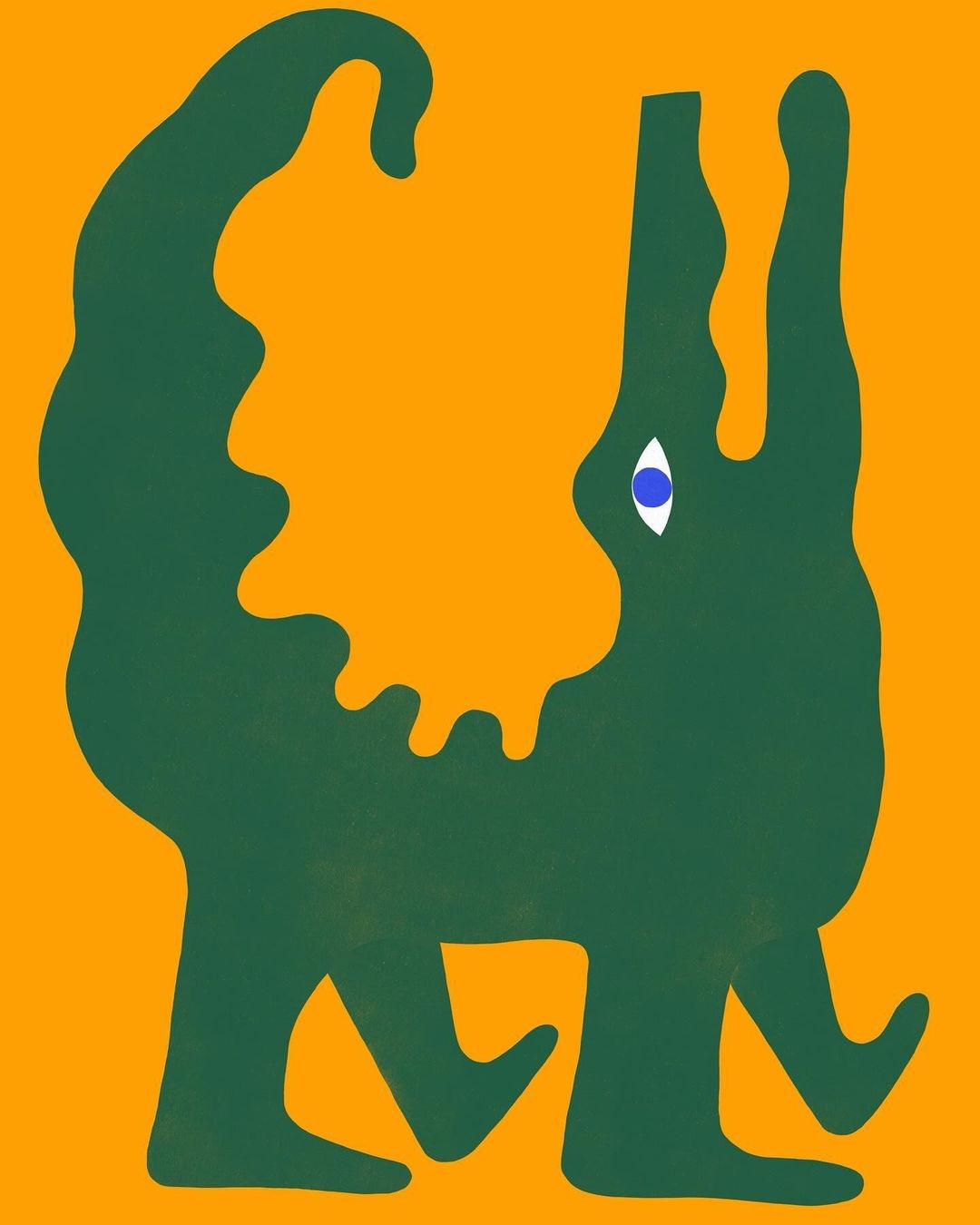
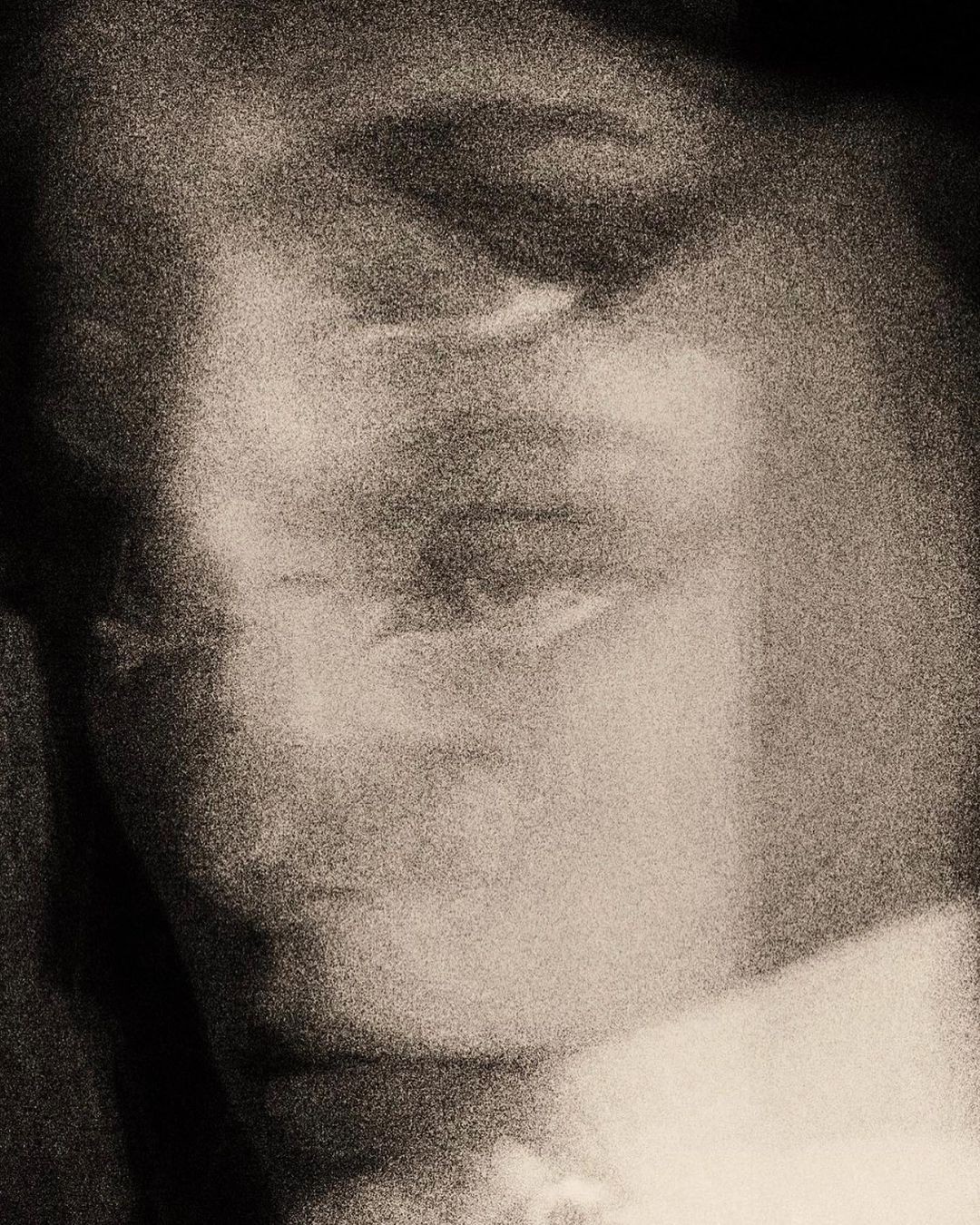
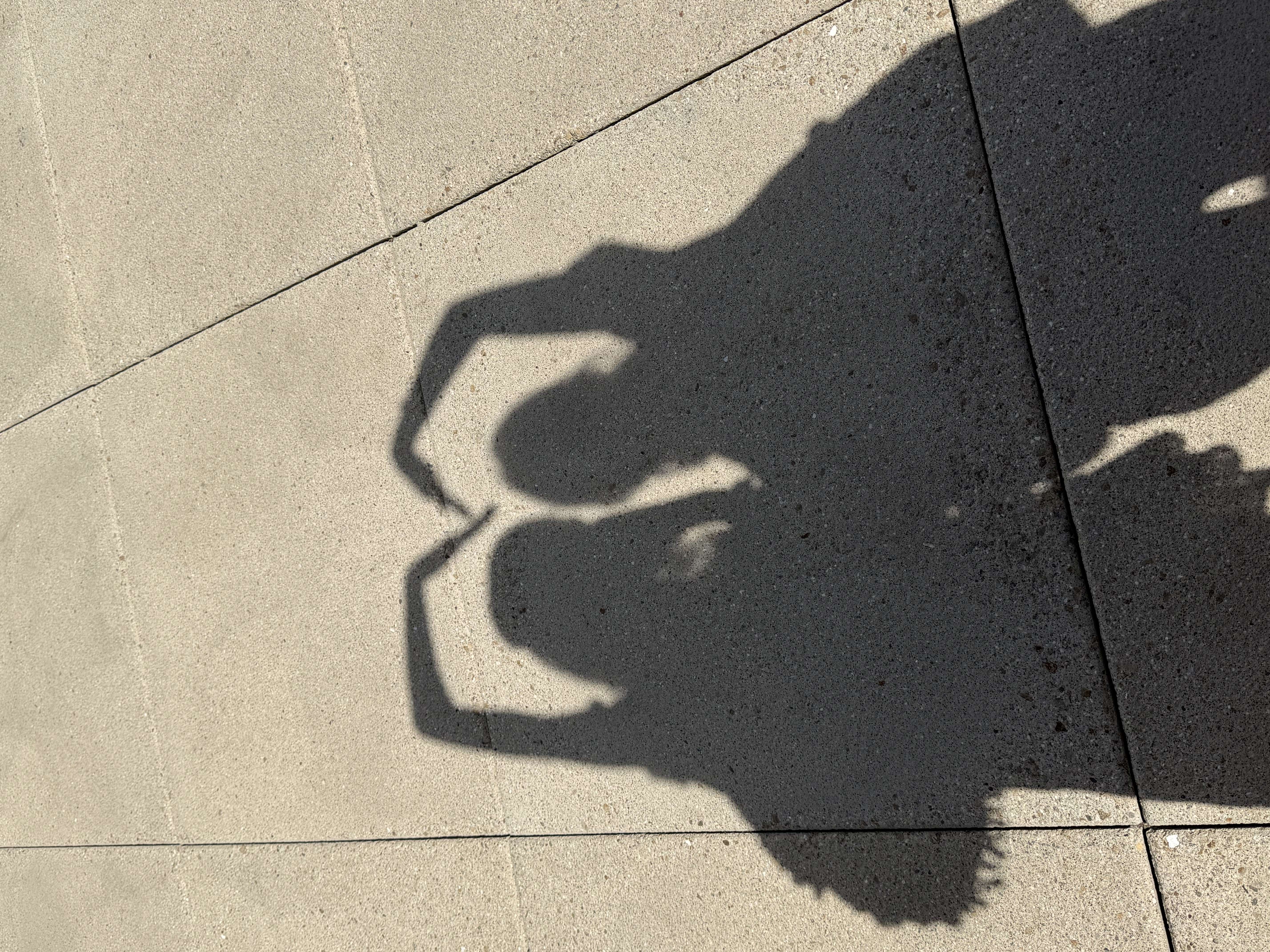
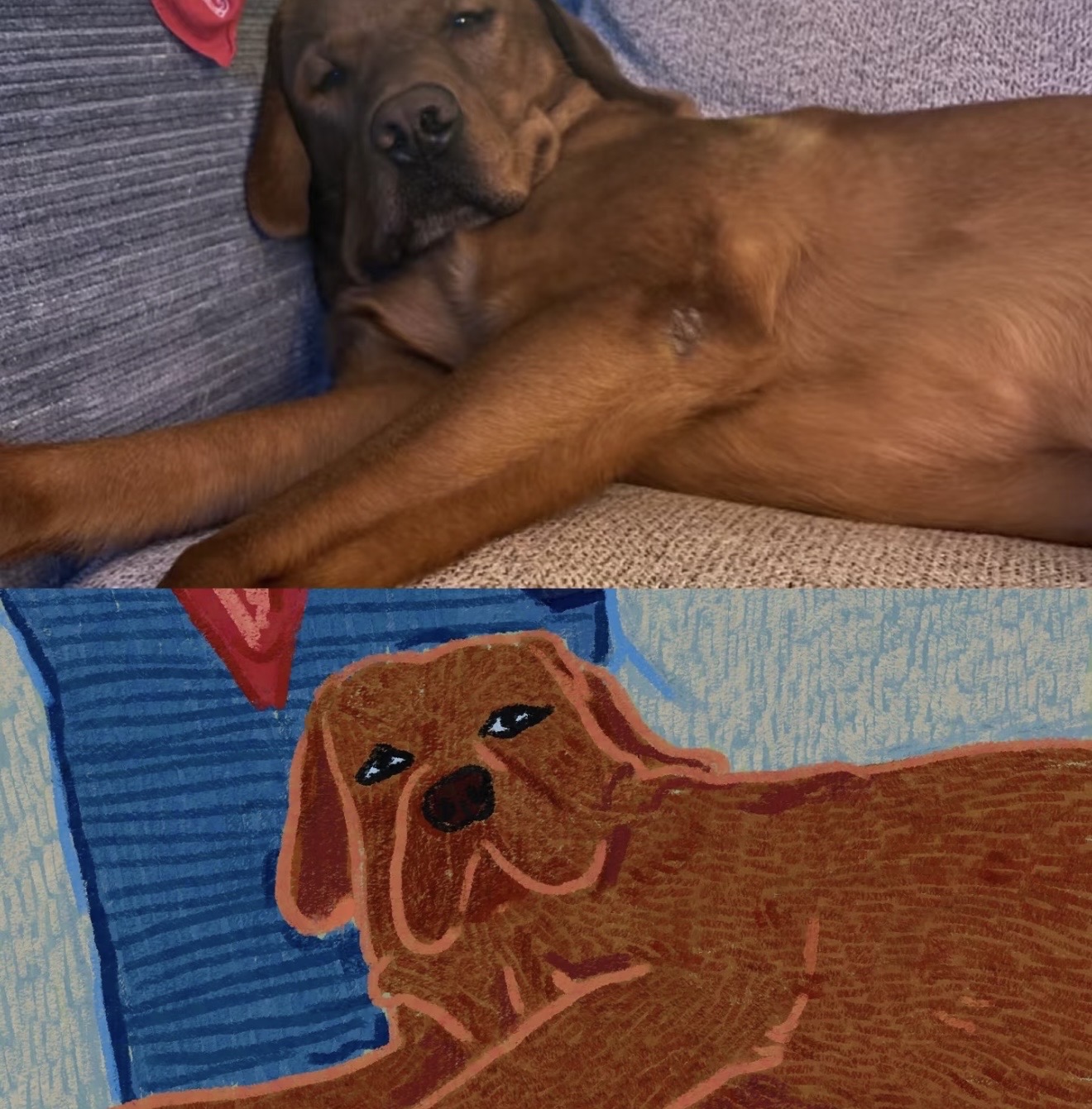
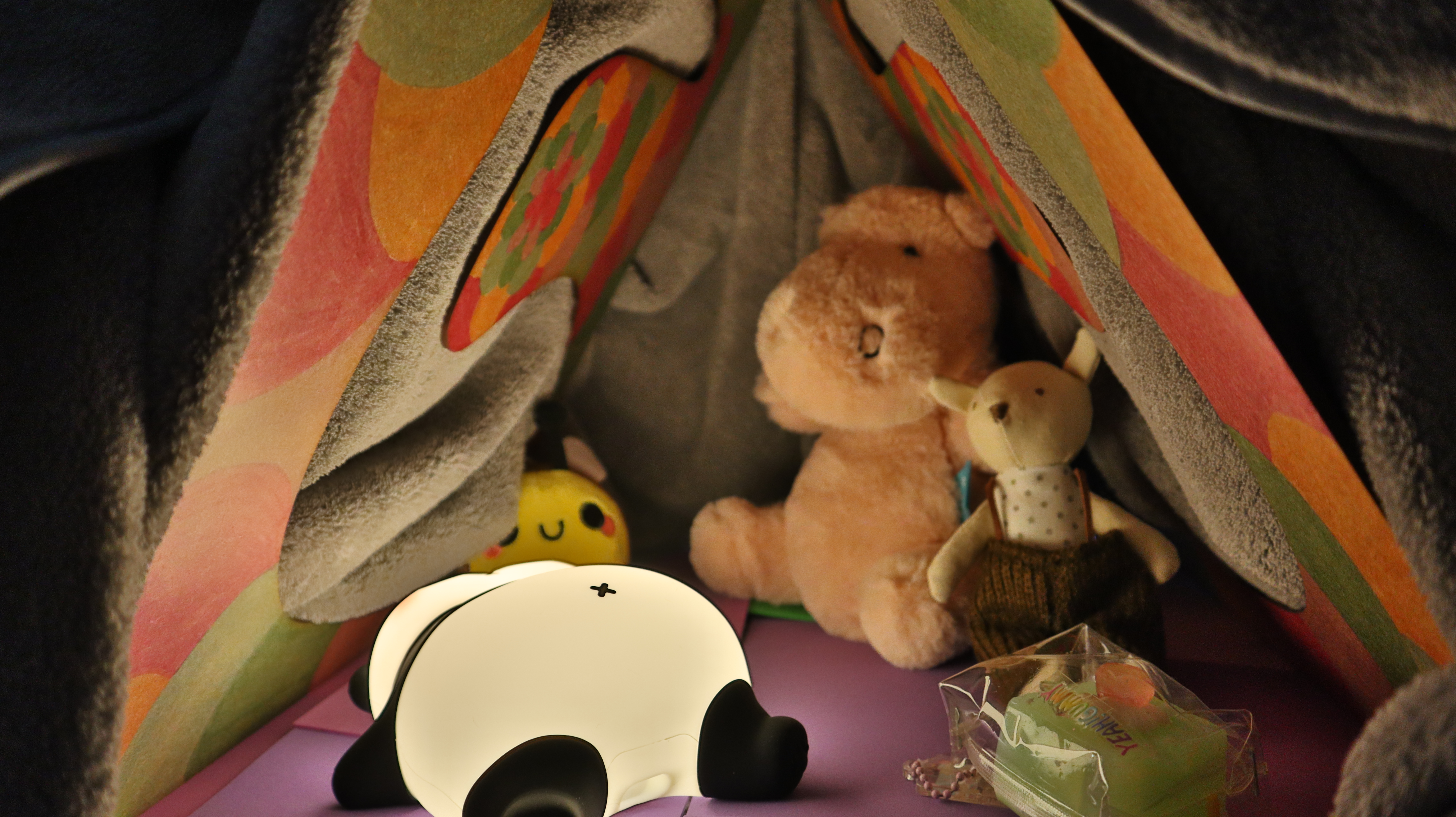
Start noticing faces in your everyday environment. They don’t have to be real people. Look for faces in objects, patterns, architecture, food, shadows, or random moments. When something looks like a face, capture it.
My name is Jiuchen, and I am a second-year graphic design student at SCAD. During my time here, I have watched young designers grow into their practice, and I have watched others quietly walk away. Some found a path forward. Others could not hold on to it.
I understand that feeling. The fear of failing at design practice, of not becoming the kind of designer I want to be, is something many of us carry. And when that fear goes unaddressed, it turns into doubt, and doubt turns into a lack of motivation. So I started asking: what would it take to help young designers not just survive in design, but actually enjoy it?
Looking for answers, I found that around 40 to 45 percent of our daily behaviors are driven by habits rather than conscious decisions. When I looked at experienced designers I admired, I noticed they all shared something: they were practicing habit without thinking about it, whether it was training their eye to notice type, or finding inspiration in the everyday. Habit follows a simple loop of trigger, action, and reward, and over time, that loop quietly shapes how we think and who we become.
That search led me to the concept of Habitus, coined by French sociologist Pierre Bourdieu:
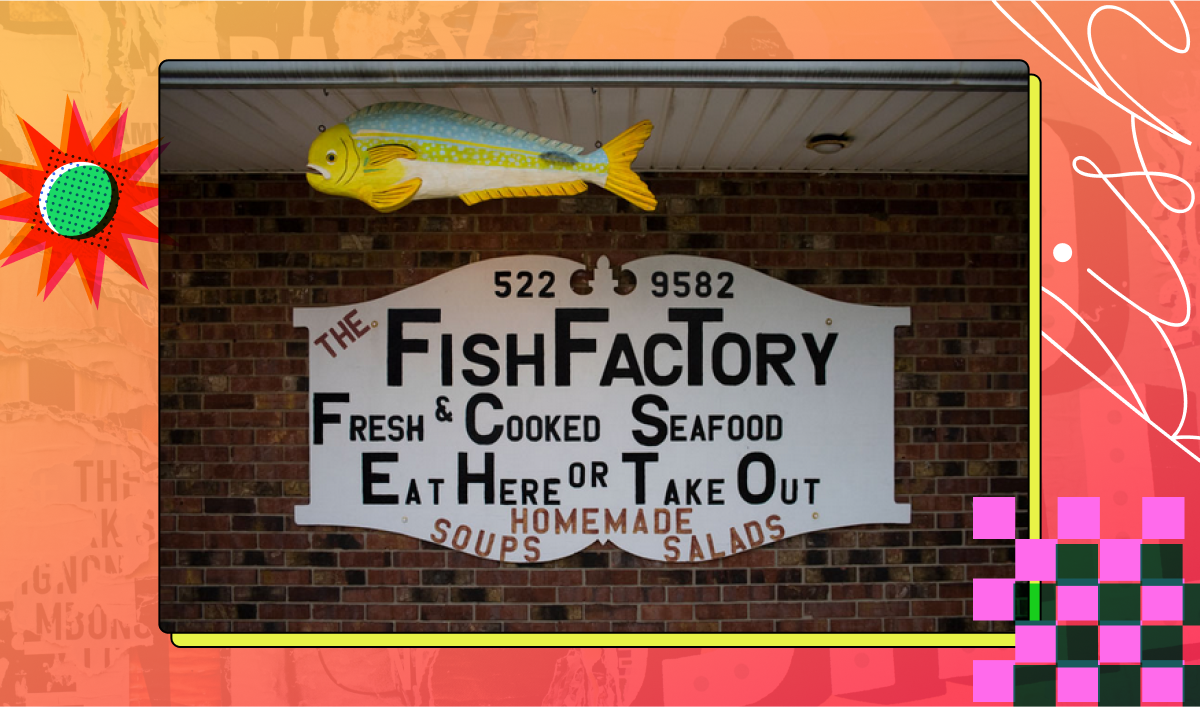
"When habitus encounters a social world of which it is the product, it is like a 'fish in water': it does not feel the weight of the water, and it takes the world about itself for granted." Pierre Bourdieu
What if design could feel that natural? That question became Design Habitus, a platform built to help young designers build that ease through daily practice. Today's surfaces curated news and inspiration to keep your instincts sharp. Community creates a space to connect, share, and grow alongside other designers. And the 21 Day Challenge turns intention into habit, one small act at a time.
When design becomes something you live rather than something you do, more creatives stay. They stop doubting and start doing. Just like you would go hungry if you did not eat, you will struggle as a graphic designer if you stop practicing. Most designers do not fail. They give up.